Category: Food & Drink
-

Beyond Yakitori: Mastering the Izakaya Menu for International Visitors
Step into any izakaya in Kyoto’s glowing lantern-lit districts and you’ll be greeted by the cheerful calls of “Irasshaimase!” from staff, the sizzling symphony of grilling yakitori, and the warm buzz of Japan’s beloved pub culture—but for international visitors, the extensive menu can seem like a delicious mystery begging to…
-
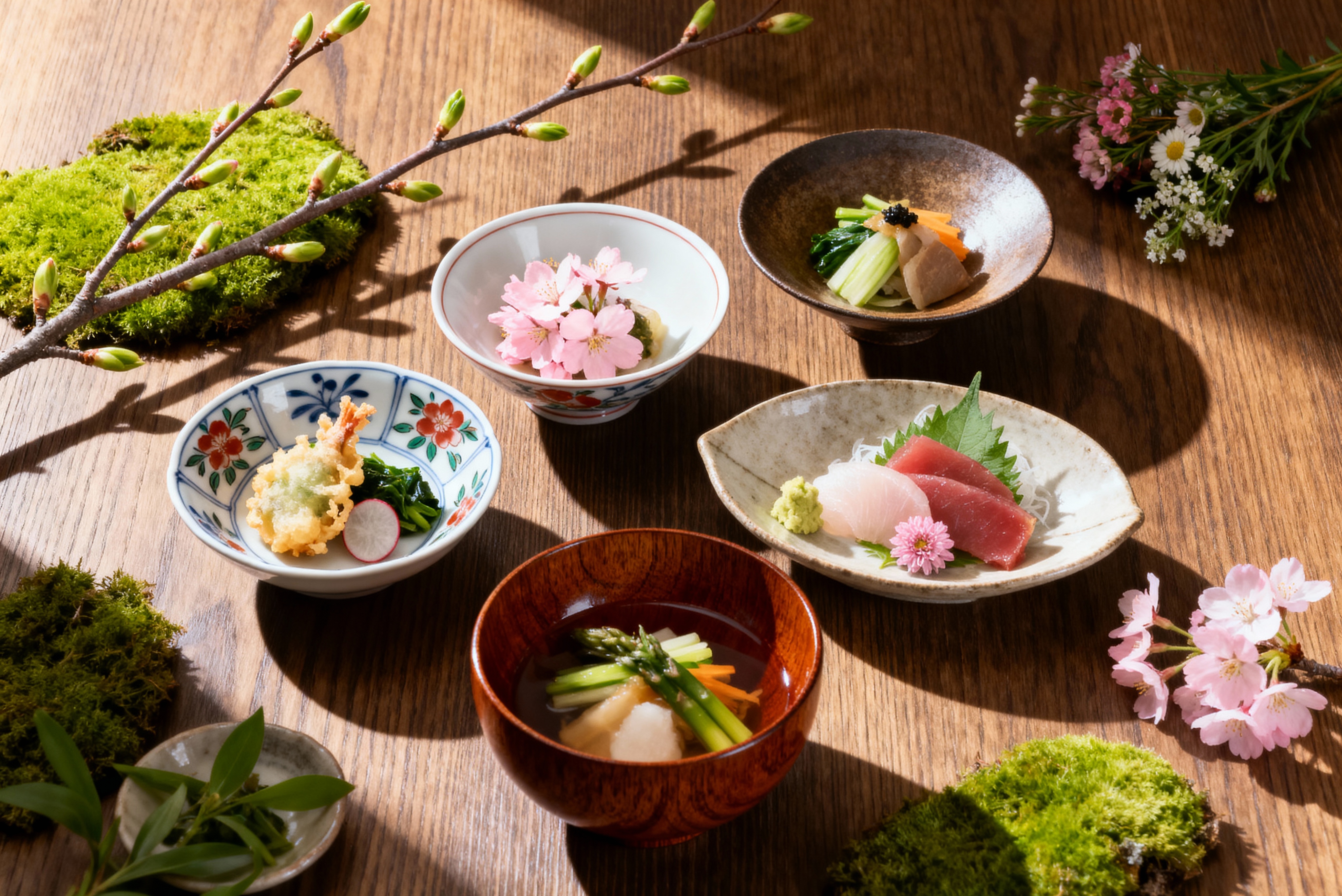
Edible Poetry: The Seasonal Artistry of Kaiseki Cuisine in Kyoto
In the hushed elegance of a traditional Kyoto ryotei, where each course arrives like a carefully composed haiku written in food, kaiseki cuisine transforms the simple act of eating into a transcendent journey through Japan’s seasons, aesthetics, and cultural soul. Kaiseki (懐石) represents the absolute pinnacle of Japanese culinary artistry—a multi-course dining…
-
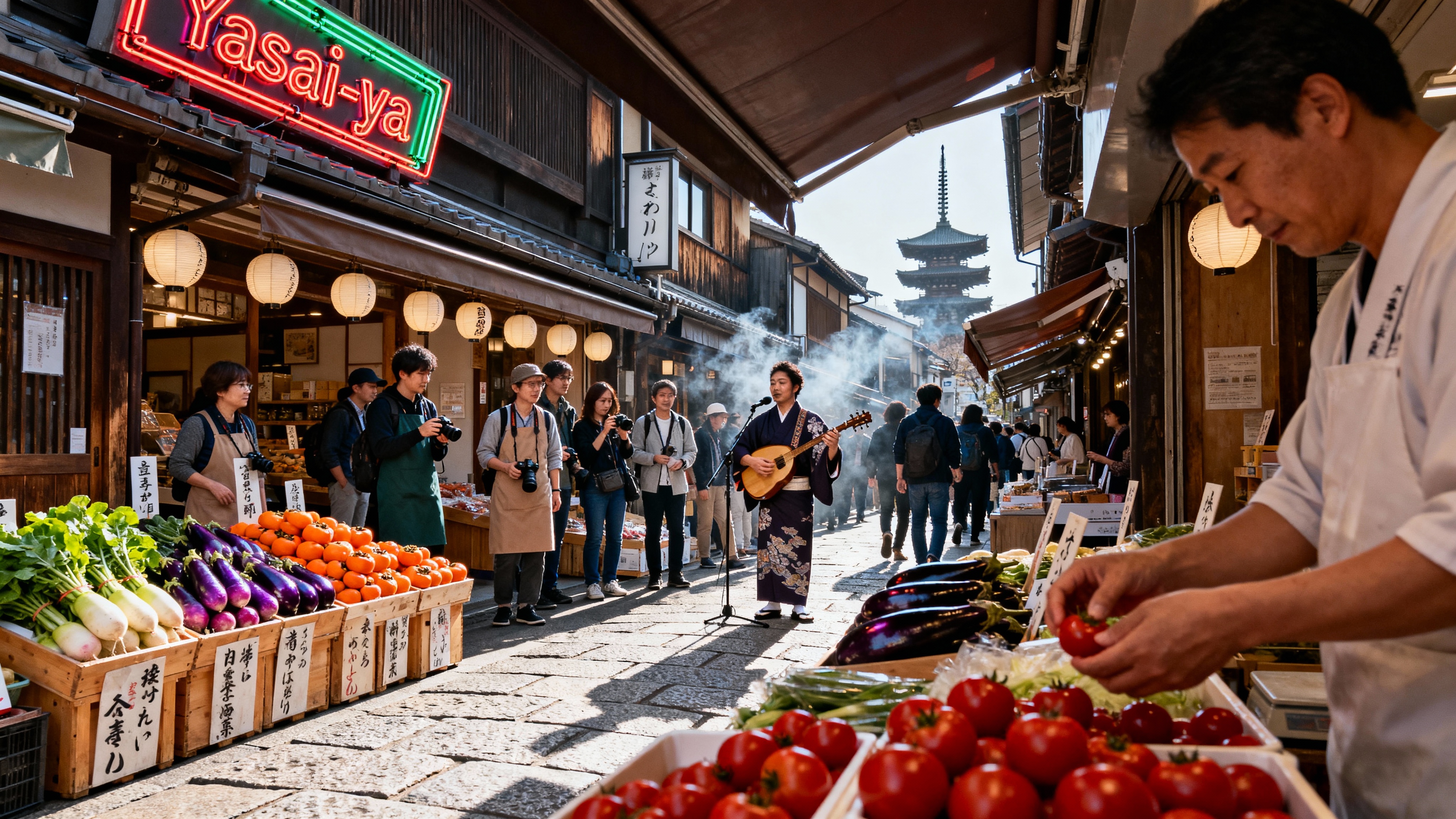
Kyoto’s Living Pantry: Four Centuries of Food Culture at Nishiki Market
Stretching 400 meters through the heart of Kyoto like a covered culinary cathedral, Nishiki Market pulses with the living rhythm of four centuries of Japanese food culture—where the delicate aroma of handmade tofu mingles with the sharp tang of artisanal pickles, where master craftsmen shape traditional sweets using techniques passed…
-
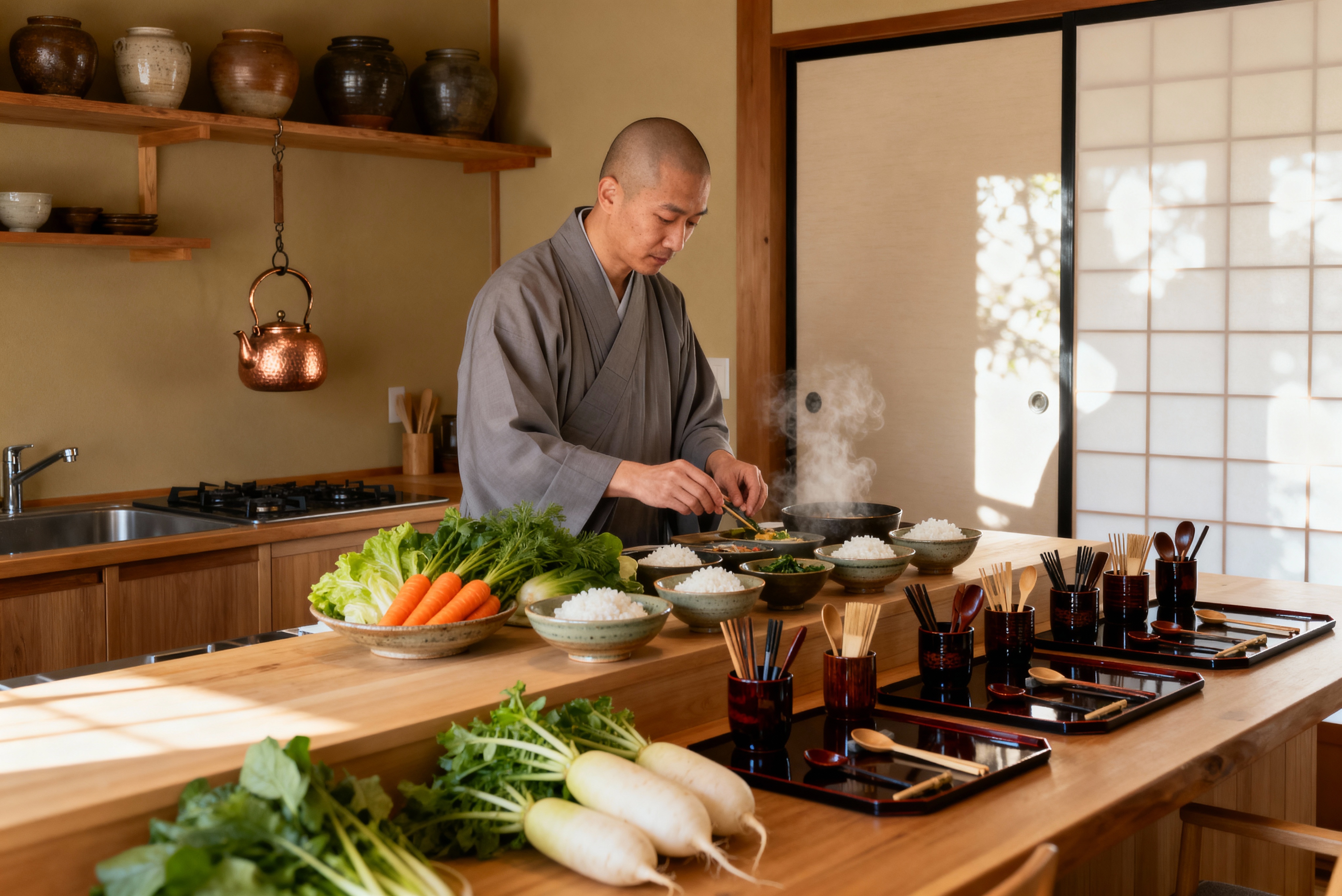
Sacred Sustenance Evolved: The Timeless Philosophy of Shojin Ryori and Its Modern Renaissance
In the quiet temple kitchens of Kyoto, where Buddhist monks have practiced the sacred art of shojin ryori for over 800 years, a profound culinary philosophy unfolds that speaks directly to our modern world’s urgent need for sustainable, compassionate, and mindful approaches to food. Shojin ryori (精進料理) represents far more than vegetarian…
-
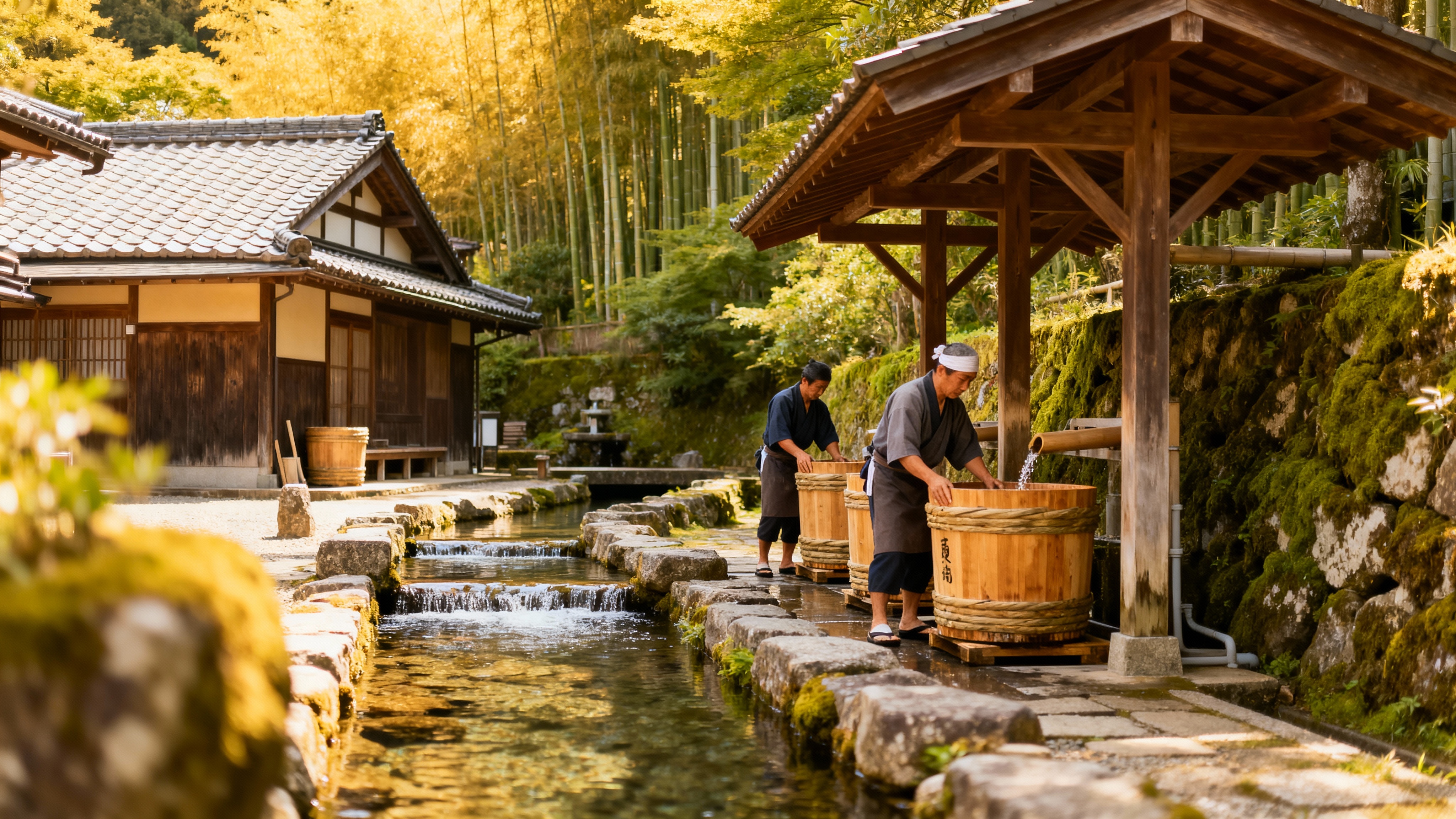
Sacred Waters and Master Craftsmanship: Kyoto’s Legendary Sake Culture and Fushimi Brewery District
In the misty early morning hours of Kyoto’s Fushimi district, where sacred underground springs have bubbled forth for over a millennium, master brewers continue ancient rituals that transform humble rice into liquid poetry. Here, beneath the surface of this historic neighborhood, flows Gokōsui (御香水)—sacred water so pure it was once reserved for imperial…
-

Kanpai Culture: Learning Japanese Communication Through Izakaya Experiences
As the sun sets over Kyoto’s ancient streets and neon lanterns begin to glow, a different side of Japanese culture awakens—one where formal reserve gives way to genuine warmth, where hierarchies soften over shared drinks, and where the art of human connection unfolds in cozy taverns called izakaya. Here, between plates…
-

Sacred Sustenance: 5 Kyoto Temples Where You Can Experience Authentic Shojin Ryori
Behind the vermillion gates and ancient wooden halls of Kyoto’s most sacred temples, a culinary tradition continues that transforms simple vegetables into profound spiritual practice. Shojin ryori (精進料理)—Buddhist temple cuisine—offers more than exceptional vegetarian dining; it provides direct encounter with Buddhist philosophy, seasonal awareness, and the meditative art of mindful nourishment. These…
-

Seasonal Poetry in Sugar: The Cultural Significance of Japanese Wagashi
In the hands of a master wagashi artisan, simple ingredients transform into edible poetry—a cherry blossom captured in pink and white bean paste, autumn maple leaves rendered in translucent sugar, winter snow recreated in delicate rice flour. These are wagashi (和菓子), Japan’s traditional sweets that transcend mere confectionery to become sophisticated cultural expressions…
-
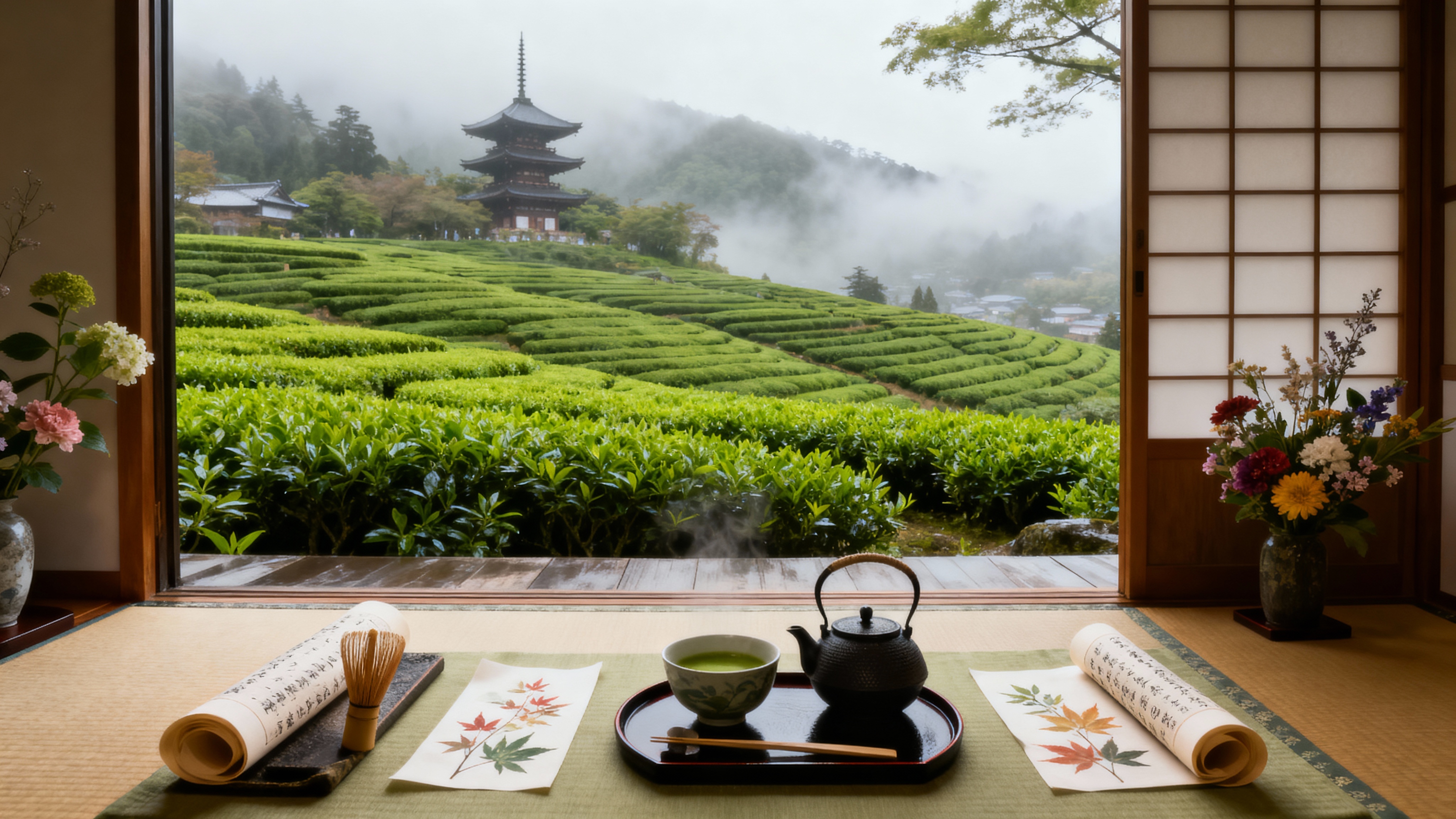
The Sacred Art of Kyoto’s Matcha Culture: From Tea Gardens to Tea Rooms
In the misty hills of Uji, just south of Kyoto, rows of carefully tended tea bushes stretch toward ancient temples, their leaves destined to become the vibrant green powder that has captivated the world. But matcha (抹茶) represents far more than a trendy beverage—it embodies centuries of spiritual practice, artistic refinement, and cultural…
-
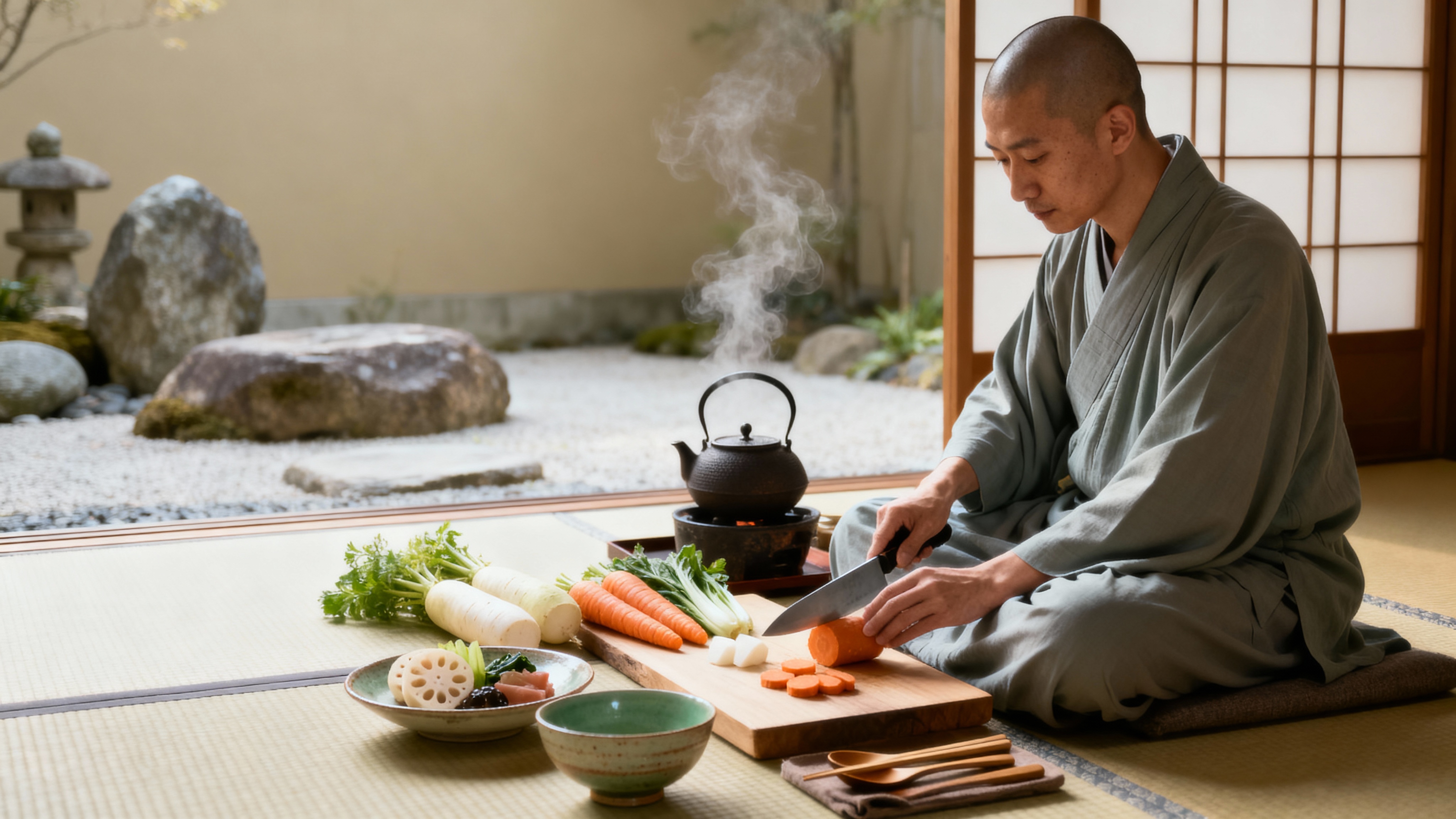
Sacred Sustenance: Understanding Shojin Ryori – The Buddhist Culinary Path to Enlightenment
In the pre-dawn darkness of a Zen temple kitchen, as monks gather for morning meditation, the temple cook has already been working for hours—not merely preparing food, but engaging in profound spiritual practice. Every slice demonstrates compassion, every arrangement reflects impermanence, and every flavor balance teaches the interconnectedness of all life.…