-

The Primeval Sacred: Shimogamo Shrine and the Mysteries of Tadasu Forest
Deep in the heart of modern Kyoto lies a fragment of ancient Japan—a primeval forest where towering trees have witnessed over 2,000 years of human history and spiritual practice. Tadasu no Mori (糺の森), the sacred grove surrounding Shimogamo Shrine, represents Japan’s oldest continuously protected woodland, where Shinto kami dwell among centuries-old trees and…
-
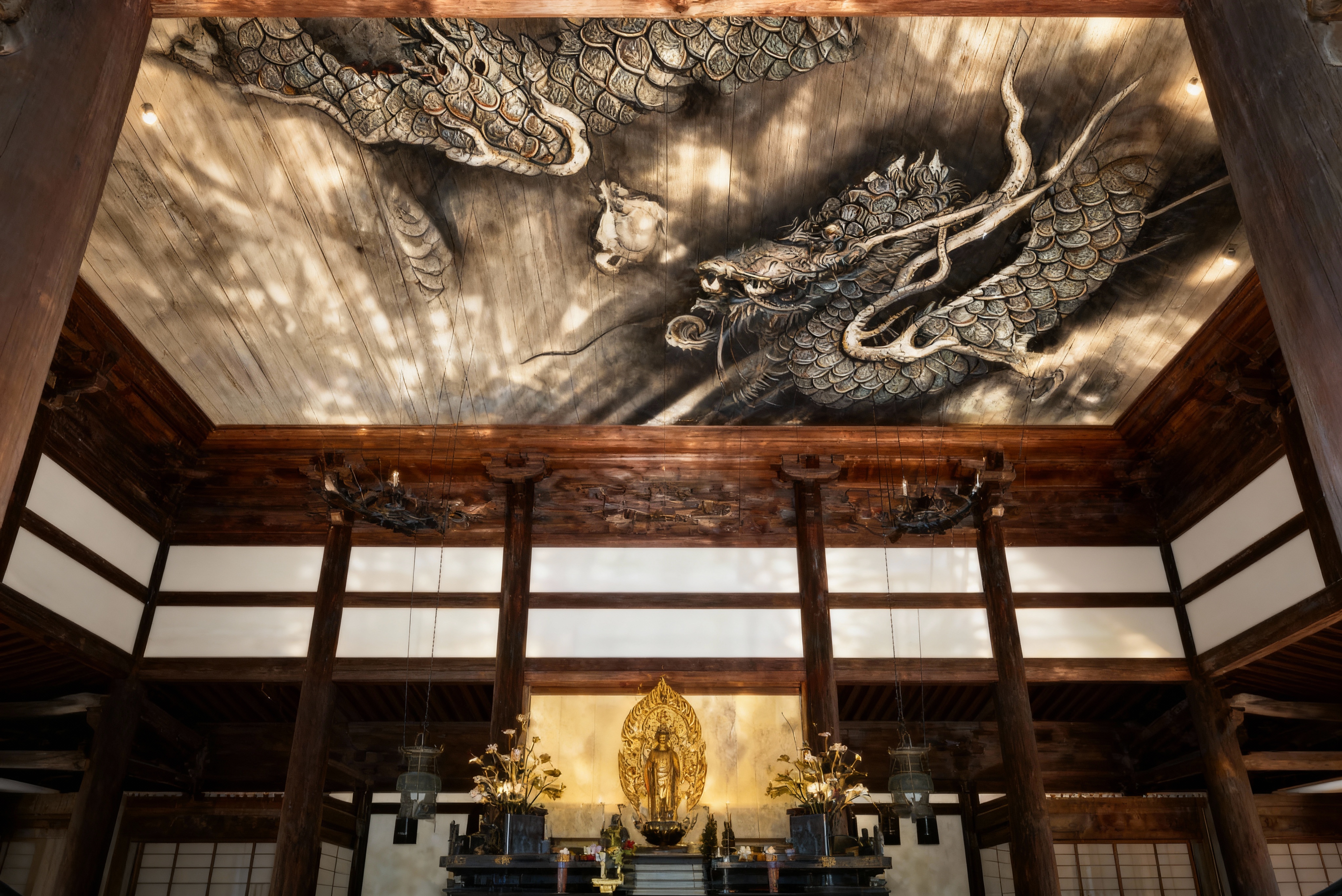
Clouds of Enlightenment: The Dragon Ceiling and Zen Symbolism at Tofuku-ji
Above the meditation hall of Tofuku-ji Temple, a magnificent dragon swirls through painted clouds, its eyes blazing with spiritual fire as it emerges from and dissolves back into the cosmic mists of enlightenment. This extraordinary ceiling painting represents one of Japan’s most powerful expressions of Zen Buddhist philosophy through art—where the dragon’s…
-

The Dancing Buddha: Kuya’s Revolutionary Street Buddhism at Rokuharamitsu-ji
In the bustling streets of medieval Kyoto, where aristocrats traveled in ox-carts and merchants hawked their wares, an extraordinary figure danced through the crowds—a Buddhist monk whose revolutionary approach to salvation would transform Japanese religious life forever. Kuya Shonin (空也上人, 903-972), known as the “Dancing Buddha,” brought Buddhism from elite temples to…
-
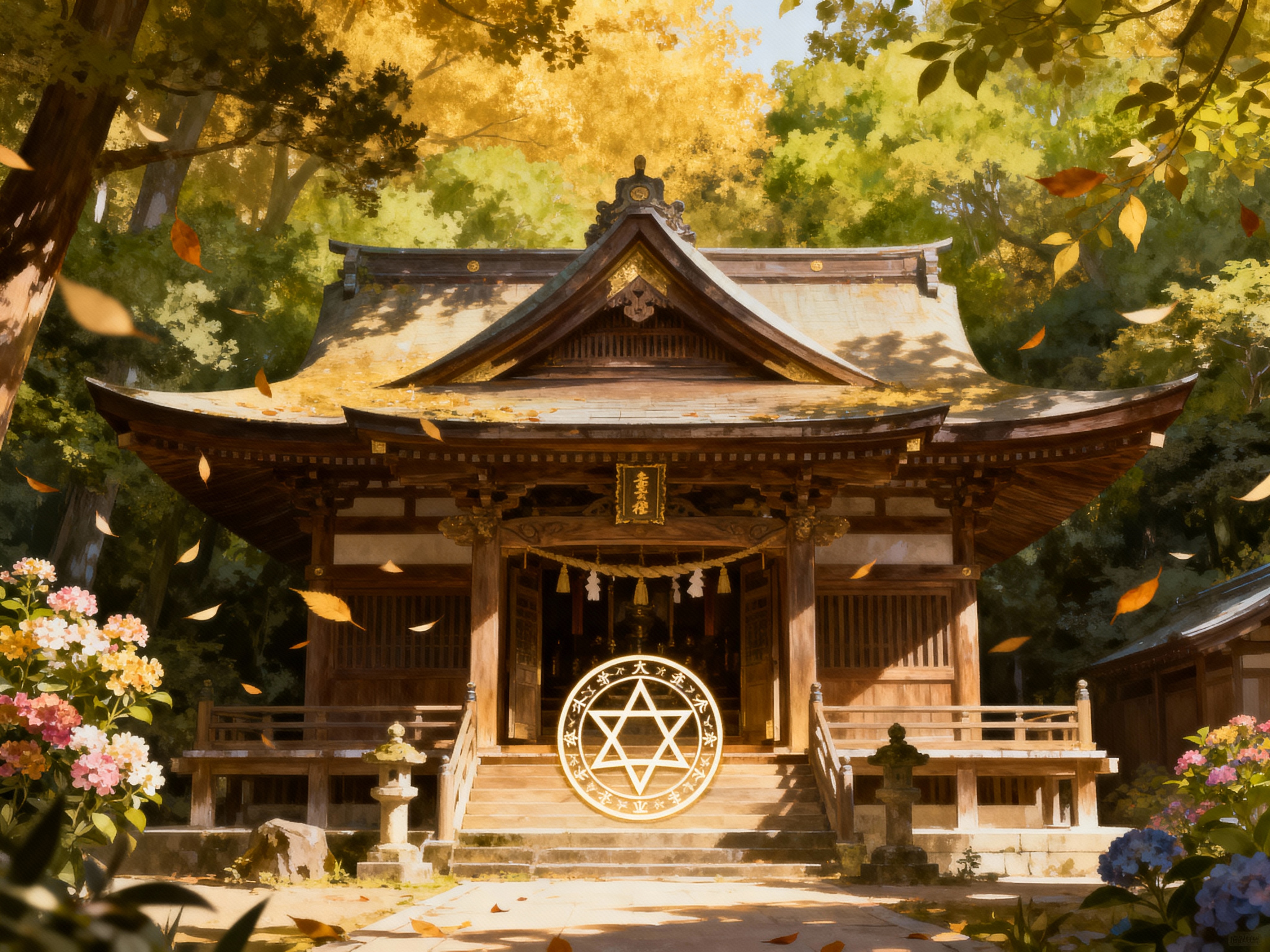
The Mystical Arts: Seimei Shrine and the Ancient World of Onmyodo
In the heart of Kyoto stands a shrine unlike any other—a place where ancient magic meets modern devotion, where the legendary onmyoji Abe no Seimei continues to protect seekers from malevolent spirits over 1,000 years after his death. Seimei Shrine (晴明神社) serves as portal into Japan’s most mysterious spiritual tradition: onmyodo (陰陽道), the ancient…
-
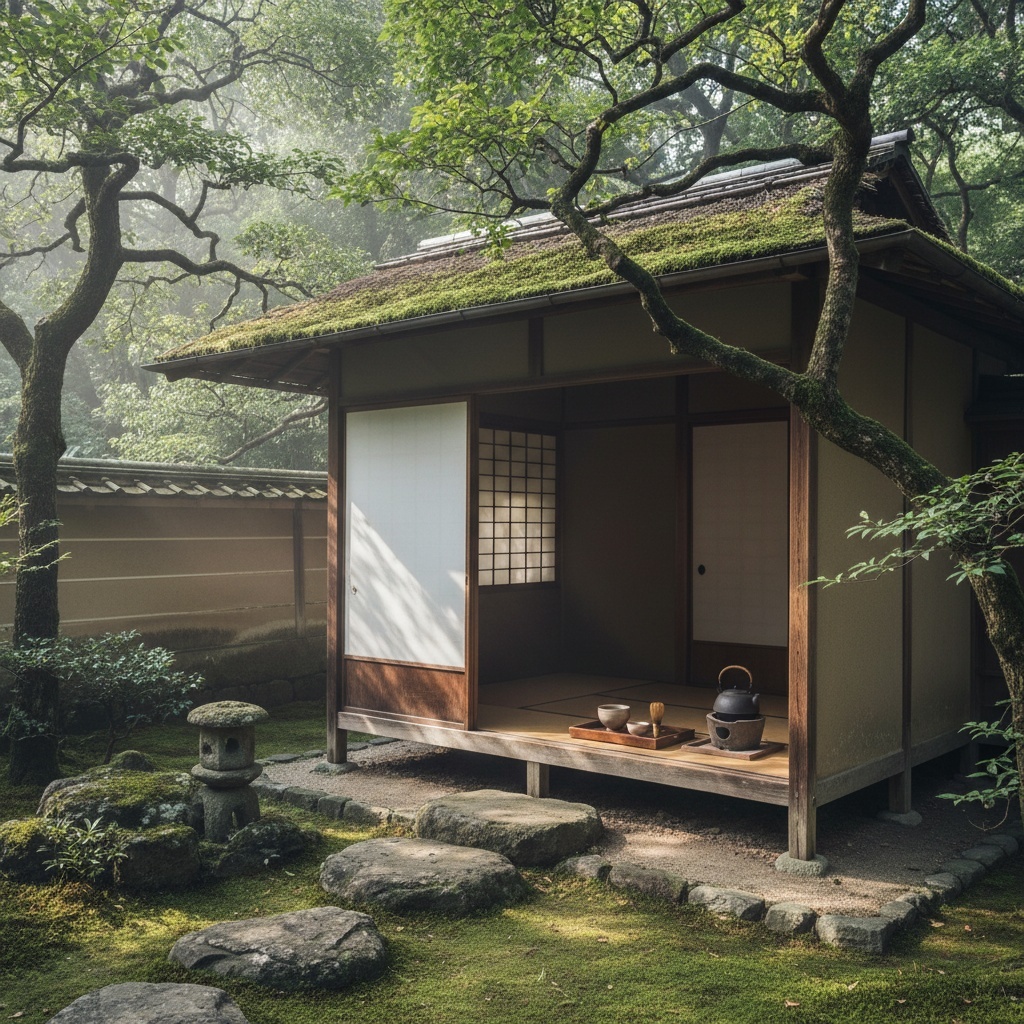
The Way of Tea and Rebellion: Sen no Rikyu’s Revolutionary Vision at Daitoku-ji
In the austere halls of Daitoku-ji Temple, where Zen monks practiced meditation in deliberate poverty, a merchant’s son named Sen no Rikyu would forge a cultural revolution that transformed Japanese aesthetics forever. Here, among the temple’s sub-temples and meditation gardens, Rikyu developed the profound philosophy of wabi-sabi tea ceremony—an approach to beauty…
-
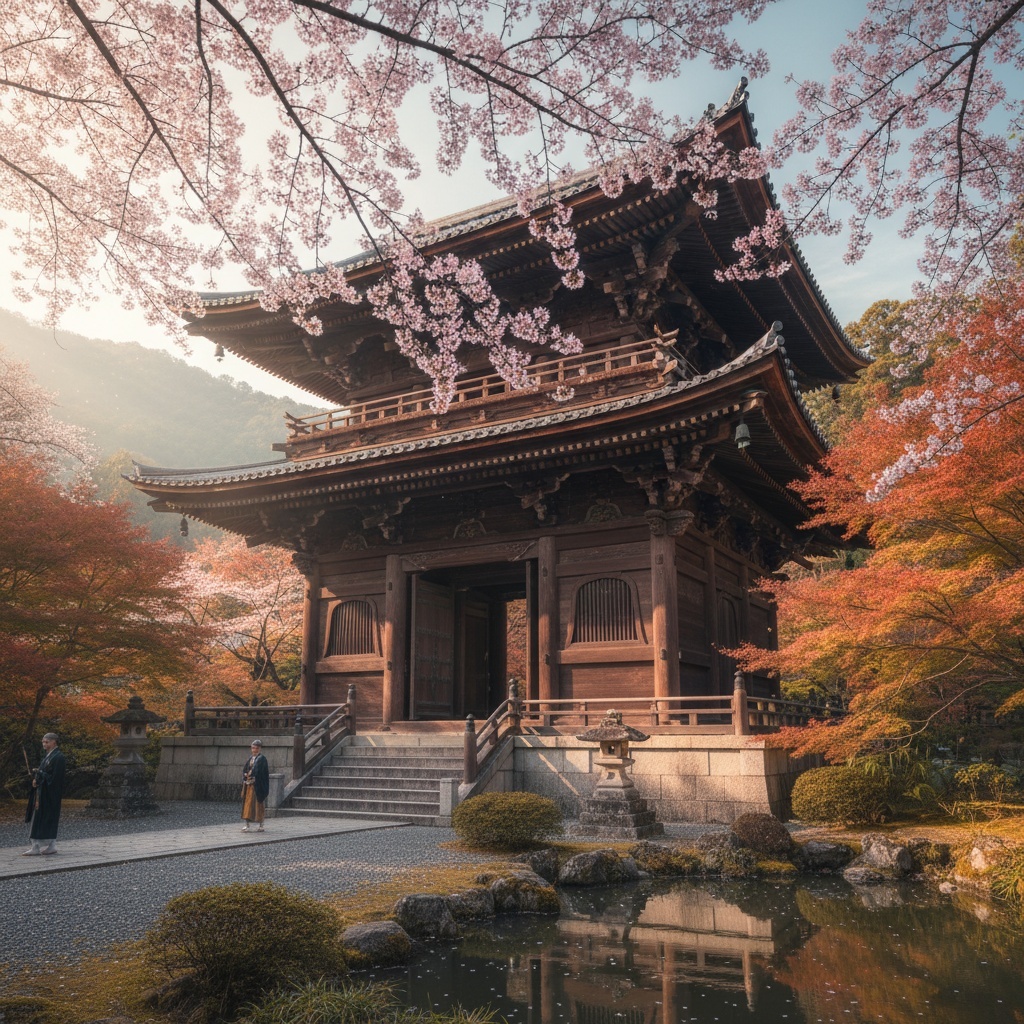
Gateway to Enlightenment: The Legends and Mysteries of Nanzen-ji’s Sanmon Gate
Rising 22 meters above Nanzen-ji Temple’s grounds, the massive Sanmon Gate stands as one of Japan’s most imposing religious structures—a towering testament to Buddhist philosophy, architectural mastery, and the dramatic legends that have swirled around its wooden pillars for over 400 years. This magnificent gate serves as far more than temple…
-

Walls of Power: Decoding the Political Messages of Nijo Castle
Every beam, every painted screen, every carefully calculated room dimension in Nijo Castle tells the same story: absolute power requires no violence when it can speak through architecture itself. Built by Tokugawa Ieyasu beginning in 1603, this magnificent castle serves as a masterpiece of political communication, where every design element sends clear messages…
-
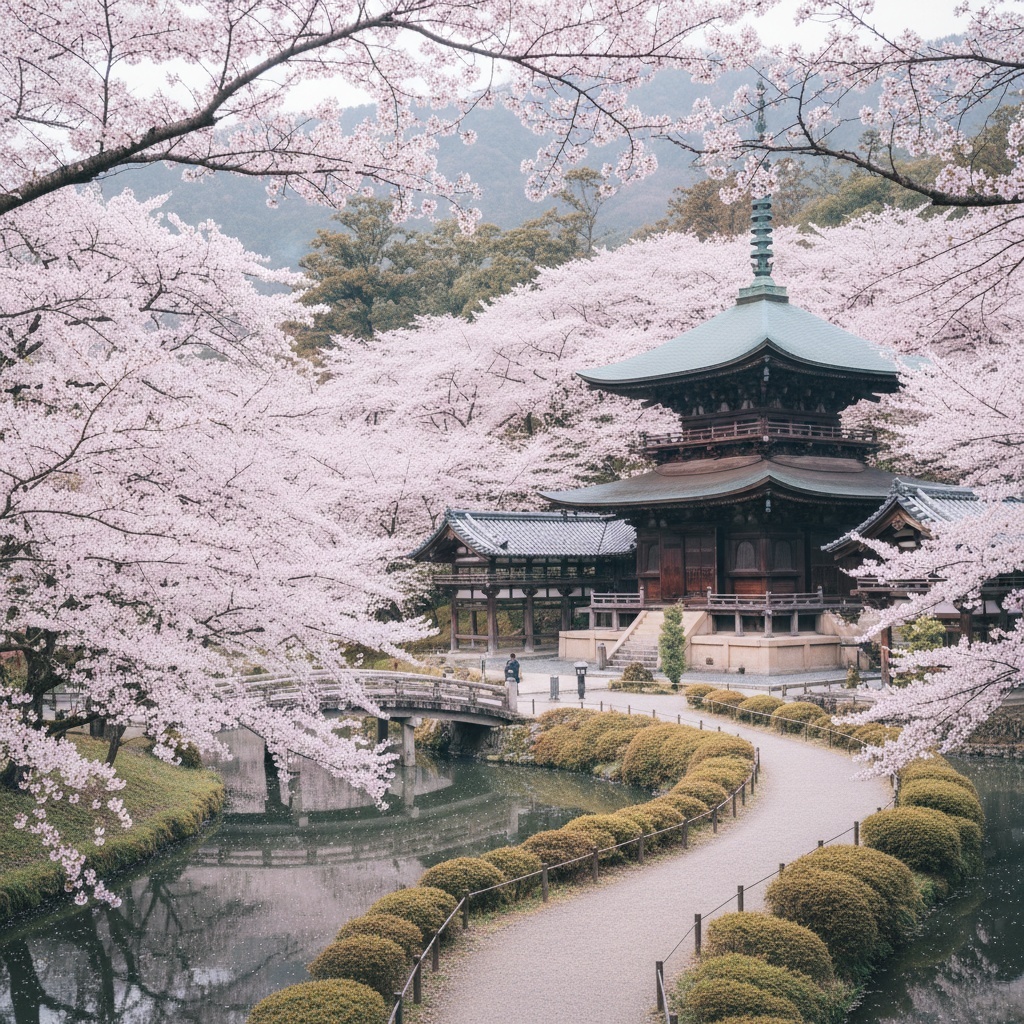
Cherry Blossoms and Power: Hideyoshi’s Legendary Daigo Hanami
On April 20, 1598, the most powerful man in Japan orchestrated the most extravagant cherry blossom viewing party in history. Toyotomi Hideyoshi, the peasant who became ruler of unified Japan, transformed Daigo-ji Temple into a stage for displaying his absolute power through the ephemeral beauty of 700 transplanted cherry trees and 1,300 guests…
-
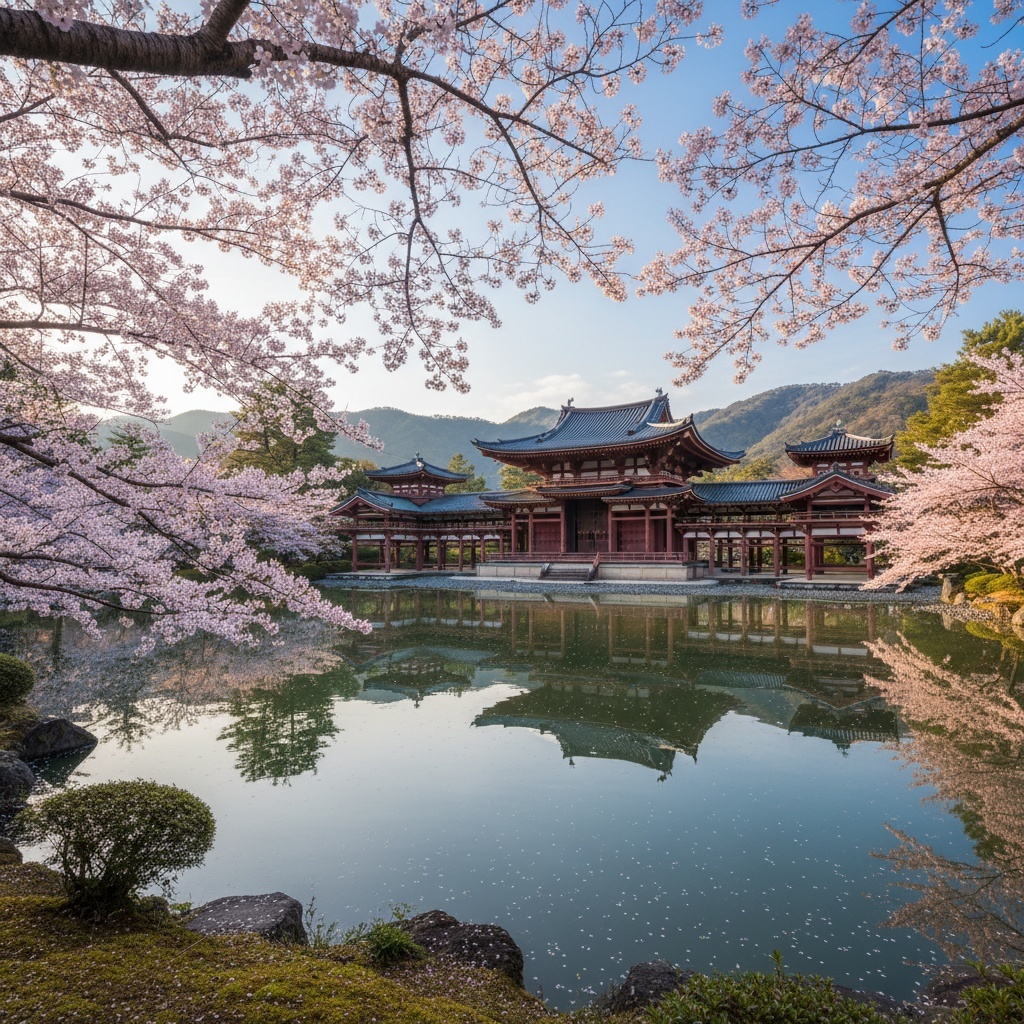
Earthly Paradise: The Pure Land Vision of Byodo-in Phoenix Hall
Reflected in the still waters of a sacred pond, the Phoenix Hall of Byodo-in appears to float between earth and heaven—a vision of Buddhist paradise made manifest in wood, gold, and divine artistry. Built nearly 1,000 years ago by the powerful Fujiwara clan, this architectural masterpiece represents humanity’s most ambitious attempt…
-

Rising Above Time: Why Toji’s Five-Story Pagoda Became Kyoto’s Ultimate Symbol
Standing 57 meters tall against Kyoto’s skyline, the five-story pagoda of Toji Temple has served as the ancient capital’s defining landmark for over 1,200 years. More than architectural achievement, this soaring wooden tower embodies the spiritual aspirations, political power, and cultural sophistication that transformed a provincial city into Japan’s imperial heart.…