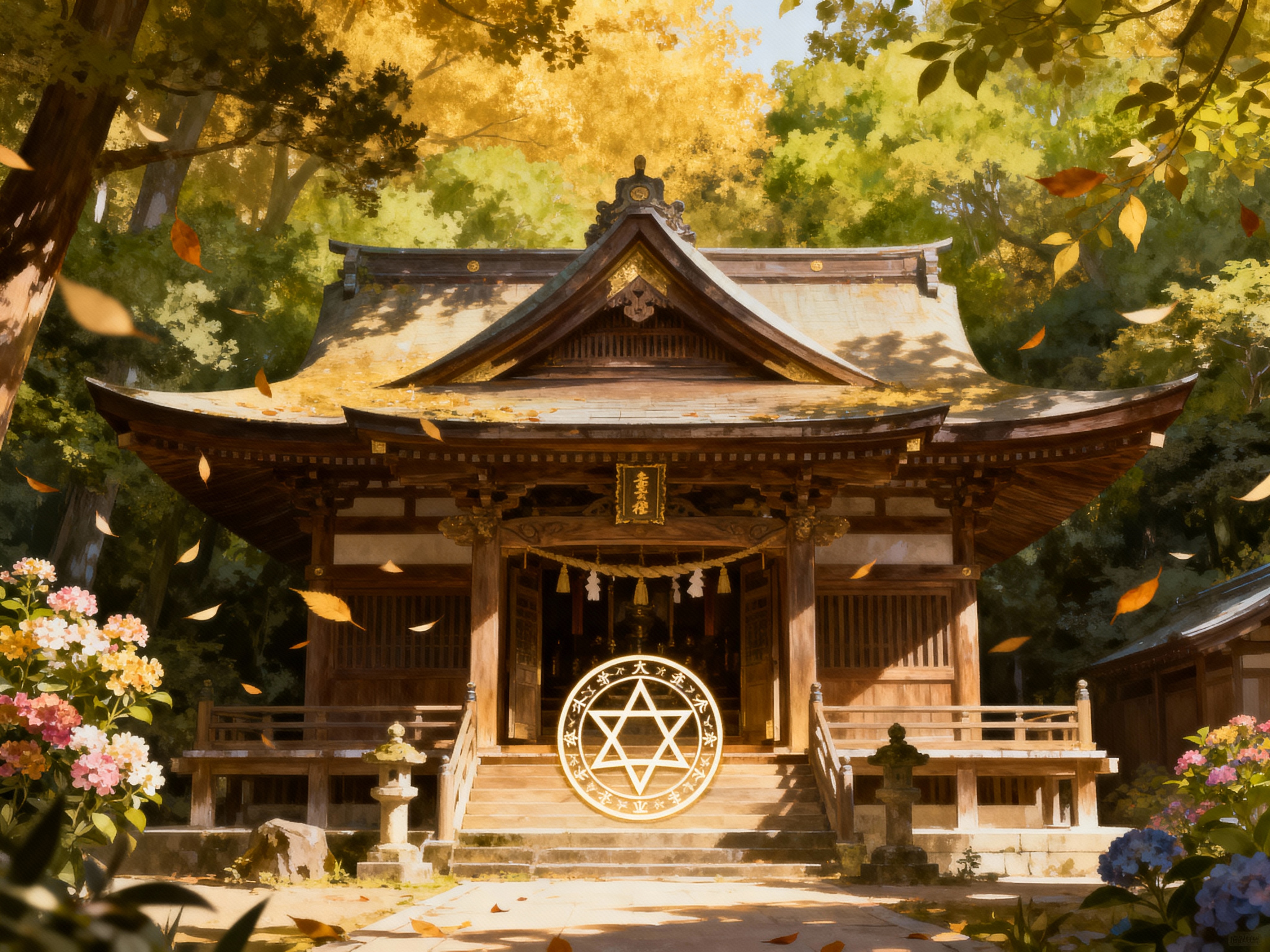
In the heart of Kyoto stands a shrine unlike any other—a place where ancient magic meets modern devotion, where the legendary onmyoji Abe no Seimei continues to protect seekers from malevolent spirits over 1,000 years after his death. Seimei Shrine (晴明神社) serves as portal into Japan’s most mysterious spiritual tradition: onmyodo (陰陽道), the ancient art of divination, exorcism, and cosmic harmony that once guided emperors and continues to fascinate modern visitors seeking protection from life’s unseen dangers.
This sacred space reveals a hidden dimension of Japanese culture where Taoist philosophy, Buddhist wisdom, and indigenous shamanism merged into sophisticated spiritual technology for navigating the complex relationships between human affairs and supernatural forces.
The Master of Mysteries: Abe no Seimei’s Legendary Life
Historical Figure Becomes Mythical Hero
Abe no Seimei (921-1005) lived during the height of Heian court culture, serving as the most powerful onmyoji in Japanese history:
Court Position: Official diviner to emperors and high nobles, responsible for protecting the imperial family from spiritual threats and providing guidance on important decisions.
Extraordinary Abilities: Historical records credit Seimei with predicting eclipses, controlling weather, exorcising demons, and communicating with supernatural beings.
Political Influence: His spiritual guidance influenced major court decisions, from military campaigns to architectural projects, demonstrating onmyodo’s integration into political power.
Cultural Legacy: Seimei’s reputation grew after death, inspiring countless stories, novels, films, and manga that continue to captivate contemporary audiences.
The Five-Pointed Star: Seimei’s Sacred Symbol
The pentagram (seiman) serves as Seimei’s personal emblem and powerful protective symbol:
Cosmic Harmony: The five points represent the five elements (wood, fire, earth, metal, water) in perfect balance, creating protection against malevolent forces.
Spiritual Geometry: The interlocking triangles symbolize the integration of opposing forces—yin and yang, heaven and earth, spirit and matter.
Protective Power: Believers use the symbol on amulets, clothing, and buildings to ward off evil spirits and ensure spiritual protection.
Modern Recognition: The pentagram appears throughout Kyoto on everything from manhole covers to commercial products, demonstrating Seimei’s continued cultural influence.
Onmyodo: The Ancient Science of Cosmic Harmony
Philosophical Foundations
Onmyodo synthesized multiple spiritual traditions into comprehensive worldview:
Yin-Yang Theory: All phenomena result from interaction between complementary opposites—light/dark, active/passive, male/female, creating dynamic balance.
Five Element System: Wood, fire, earth, metal, and water interact in creative and destructive cycles, influencing everything from health to politics.
Directional Significance: Each direction carries specific spiritual qualities and dangers, requiring careful consideration in architecture, travel, and ritual practice.
Temporal Awareness: Different times carry different spiritual energies, making timing crucial for important activities and spiritual practices.
Practical Applications in Heian Court Life
Onmyodo provided essential services for aristocratic society:
Calendar Creation: Onmyoji determined auspicious dates for ceremonies, travel, and important decisions based on cosmic calculations.
Architectural Guidance: Palace and temple construction followed onmyodo principles to ensure spiritual protection and cosmic harmony.
Medical Diagnosis: Illness was often attributed to spiritual causes requiring onmyodo intervention alongside physical treatment.
Political Consultation: Major government decisions incorporated onmyodo analysis of spiritual implications and optimal timing.
The Shrine Experience: Modern Encounters with Ancient Magic
Sacred Architecture and Spiritual Technology
Seimei Shrine’s design incorporates onmyodo principles throughout:
Pentagram Integration: The five-pointed star appears in roof tiles, decorative elements, and ritual objects, creating protective spiritual field.
Directional Alignment: Buildings and pathways follow onmyodo directional principles, channeling positive energy while deflecting negative influences.
Seasonal Adaptations: Shrine decorations and rituals change seasonally, maintaining harmony with natural cycles and cosmic energies.
Water Purification: The temizuya (purification basin) uses flowing water to cleanse visitors of negative spiritual influences before approaching sacred spaces.
Contemporary Spiritual Practices
Modern visitors seek Seimei’s protection for various contemporary concerns:
Academic Success: Students pray for wisdom and clarity in examinations, drawing on Seimei’s legendary intelligence and learning.
Health Protection: Believers seek protection from illness and spiritual afflictions, continuing traditional onmyodo healing practices.
Relationship Harmony: Couples request blessings for balanced relationships and protection from conflicts, applying yin-yang principles to personal life.
Business Success: Entrepreneurs seek guidance for auspicious timing and protection from business misfortunes, updating traditional court consultation practices.
Frequently Asked Questions
Q: Was Abe no Seimei really able to perform magic? A: Historical records confirm Seimei’s extraordinary abilities in astronomy, mathematics, and spiritual practices, though the extent of his supernatural powers remains a matter of faith and cultural interpretation.
Q: Can visitors learn onmyodo practices? A: While traditional onmyodo requires extensive study, visitors can learn basic principles and purchase protective amulets incorporating onmyodo symbolism and philosophy.
Q: What makes Seimei Shrine different from other Kyoto shrines? A: Seimei Shrine uniquely focuses on spiritual protection and divination rather than general prayers, maintaining connection to Japan’s ancient mystical traditions.
Planning Your Mystical Journey:
- Hours: 9:00 AM – 6:00 PM daily (extended during festivals)
- Admission: Free for shrine grounds; fees for special exhibitions
- Access: Subway Karasuma Line to Imadegawa Station, 12-minute walk
- Best Times: Autumn Seimei Festival, early morning for contemplative atmosphere
- Special Items: Pentagram amulets, protective charms, seasonal talismans
Continue Your Mystical Exploration: Ready to discover more spiritual mysteries? Explore “The Dancing Buddha: Kuya’s Revolutionary Buddhism at Rokuharamitsu-ji” or learn about “The Sacred Forest Mysteries of Shimogamo Shrine.”
Leave a Reply