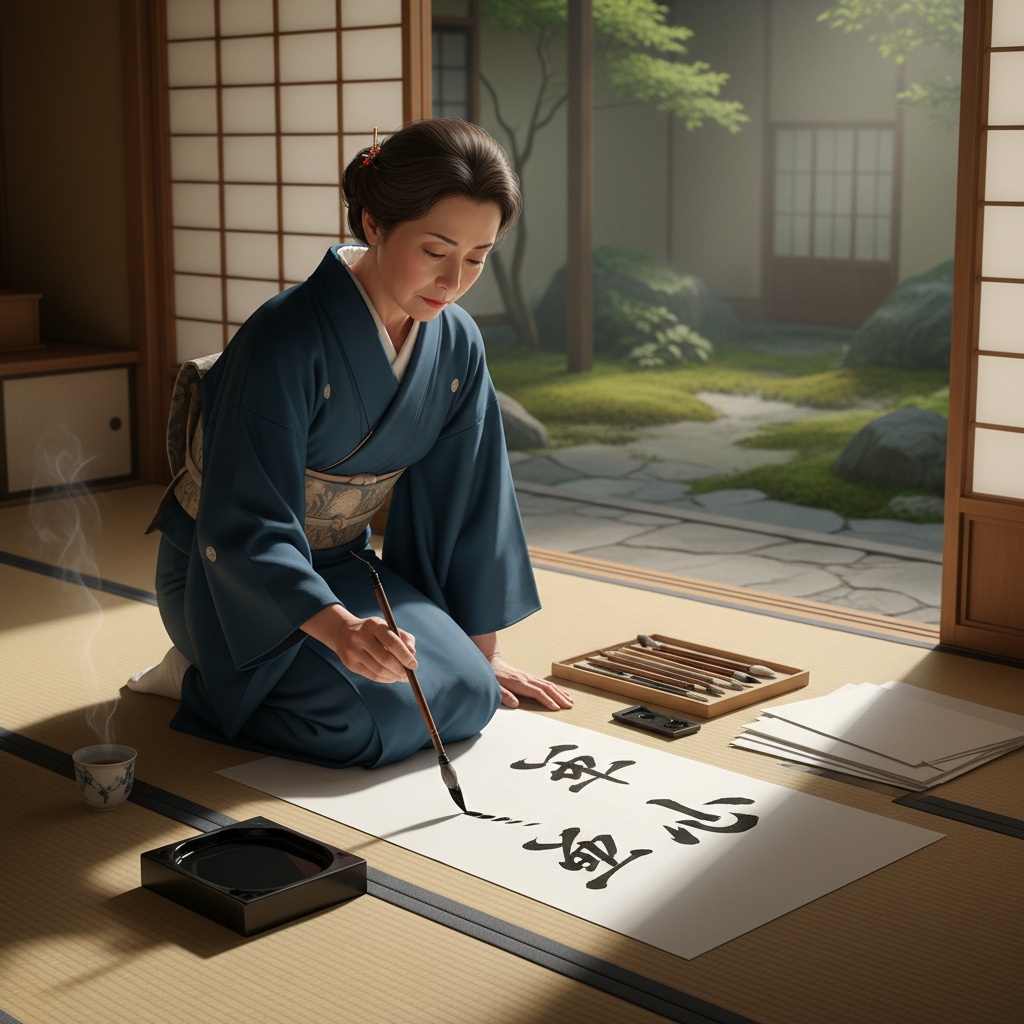
Discover the Beauty of Characters: Japanese Calligraphy (Shodō) Experience
In a world dominated by digital communication, there exists a profound beauty in the ancient art of Japanese calligraphy – shodō (書道). The moment brush meets paper, something magical occurs: simple ink transforms into living expressions of the soul. Each stroke carries the breath of its creator, each character embodies centuries of wisdom, and every practice session becomes a journey into mindfulness and artistic expression.
The Philosophy Behind the Brush:
Shodō literally translates to “the way of writing,” but this ancient practice encompasses far more than mere penmanship. Rooted in Zen Buddhist principles, calligraphy serves as both artistic expression and spiritual discipline. The philosophy of “one breath, one stroke” teaches practitioners to approach each character with complete presence and commitment – there are no erasers in shodō, only the honest expression of the moment.
The meditative aspects of calligraphy practice activate the same neural pathways as formal meditation, reducing stress while improving focus and cognitive function. The rhythmic nature of brush movements naturally slows breathing and heart rate, creating a state of calm awareness that many practitioners describe as deeply restorative.
Learning the Fundamental Elements:
Your calligraphy experience begins with an introduction to the “Four Treasures of the Study” – the essential tools that have remained unchanged for centuries. The brush (fude) becomes an extension of your arm, the ink stone (suzuri) connects you to generations of scholars, the solid ink stick (sumi) requires patient preparation, and the handmade paper (washi) receives each stroke with unique texture and absorbency.
Under expert guidance, you’ll learn the three fundamental stroke types that form the foundation of all Japanese characters: “tome” (stop), “hane” (hook), and “harai” (sweep). Each requires specific hand positioning, brush angle, and pressure control. The process cannot be rushed – mastery comes through mindful repetition and patient practice.
Understanding Character Meanings and Cultural Context:
Each character in Japanese calligraphy carries layers of meaning that extend far beyond simple definition. Learning about etymological connections deepens appreciation for the wisdom embedded in written language. For example, the character for “peace” (wa) combines elements representing rice and mouth, suggesting that true peace comes from having enough to eat – a profound insight into human nature and social harmony.
Seasonal themes play important roles in calligraphy practice, connecting practitioners to natural cycles and traditional Japanese aesthetics. Spring sessions might focus on characters representing renewal and growth, while autumn practices explore concepts of impermanence and natural beauty, embodying the Japanese principle of mono no aware.
The Workshop Experience:
Typical calligraphy workshops begin with meditation and breathing exercises that prepare students for focused practice. You’ll learn proper posture – sitting seiza-style or at a low table – and discover how physical alignment affects the quality of brushstrokes. The instructor demonstrates character formation while explaining the cultural significance and proper stroke order.
Practice progresses from basic lines and dots to simple characters, then to more complex forms. Many workshops conclude with creating a finished piece – perhaps your name in Japanese characters, a meaningful kanji, or a traditional proverb – which becomes a personalized souvenir of your cultural experience.
Health and Wellness Benefits:
Beyond cultural enrichment, regular calligraphy practice offers documented health benefits. The focused attention required activates parasympathetic nervous system responses, lowering blood pressure and reducing anxiety. The analog nature of brush and ink provides a welcome respite from digital overwhelm, while the immediate, irreversible nature of each stroke teaches acceptance and presence.
Official Image Recommendations:
- Traditional calligraphy tools arrangement: Wikimedia Commons (Category: Shodō) with proper attribution
- Student practicing brush strokes: Cultural center media libraries or JNTO photography collection
- Finished calligraphy artwork: Traditional arts museum official photography
FAQ:
Q: Do I need Japanese language skills to participate?
A: No prior knowledge is required. Instructors provide visual guidance and simple English explanations throughout the workshop.
Q: How long does a typical workshop last?
A: Most experiences run 60-90 minutes, allowing time for instruction, practice, and creating a final piece.
Q: Can I choose specific characters to practice?
A: Many studios offer curated selections and accept personal requests when arranged in advance.
Leave a Reply