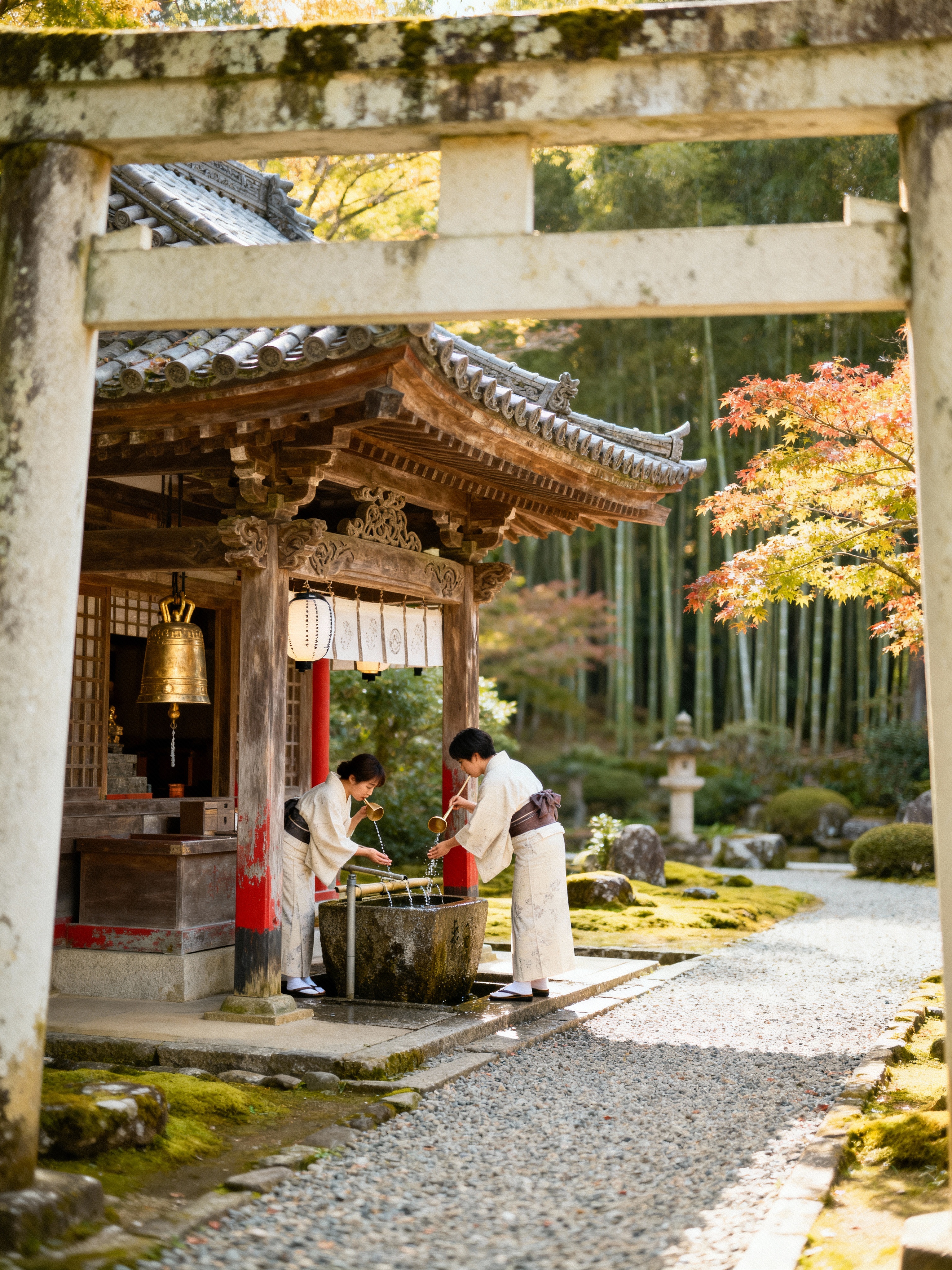
Approaching a Japanese temple or shrine for the first time can feel intimidating—ancient rituals, unfamiliar customs, and the desire to show proper respect create natural anxiety. Yet these sacred spaces warmly welcome respectful visitors, and understanding proper etiquette transforms nervousness into meaningful cultural engagement.
Mastering temple and shrine etiquette isn’t about perfect performance; it’s about demonstrating sincere respect for sacred traditions and the people who practice them. This comprehensive guide provides everything you need to worship confidently and respectfully at Japan’s most sacred sites.
Universal Principles: Respect Across All Sacred Spaces
The Foundation of Sacred Behavior
Before diving into specific protocols, understand the underlying principles:
Purity and Cleanliness: Physical and spiritual cleanliness shows respect for the sacred and prepares you for divine encounter
Quiet Reverence: Sacred spaces require hushed voices and contemplative behavior
Humble Approach: Enter with humility, recognizing you’re a guest in spaces devoted to something greater than daily concerns
Sincere Intent: Whether religious or not, approach with genuine respect for others’ beliefs and practices
Dress Code: Appropriate Attire for Sacred Spaces
Essential Requirements
Both temples and shrines require modest, respectful clothing:
- Covered shoulders: Tank tops and sleeveless shirts are inappropriate
- Covered knees: Shorts and short skirts should be avoided
- Clean appearance: Neat, clean clothing shows respect
- Comfortable shoes: Suitable for walking and easy removal when required
Seasonal Considerations
- Summer: Choose breathable fabrics that still meet modesty requirements
- Winter: Layer appropriately for cold temple buildings
- Rainy season: Bring appropriate rain protection
Temple Worship Etiquette: Buddhist Sacred Protocols
Entering Temple Grounds
Proper temple entry sets the tone for your visit:
- Approach with respect: Walk slowly and quietly
- Remove hats: Take off hats and sunglasses when entering buildings
- Silence phones: Turn off or silence mobile devices
- Observe first: Watch other visitors to understand local customs
The Incense Offering Ritual
Incense burning represents one of Buddhism’s most important offerings:
Complete Incense Protocol:
- Purchase incense sticks at designated area (usually ¥100-¥300)
- Light incense at provided flame (never use personal lighters)
- Extinguish flame by waving gently—never blow out
- Place incense in sand-filled burner
- Waft smoke toward yourself for purification
- Make offering while incense burns
Prayer and Meditation at Temples
Buddhist prayer emphasizes contemplation and spiritual development:
Proper Prayer Method:
- Approach Buddha statue respectfully
- Place hands together in prayer position (gassho) at chest level
- Bow deeply before beginning prayer
- Offer silent prayer or meditation
- Make monetary offering if desired
- Bow again before departing
Shrine Worship Etiquette: Shinto Sacred Protocols
The Purification Ritual (Temizu)
Shinto worship begins with purification at the water basin:
Complete Purification Sequence:
- Pick up ladle with right hand
- Fill with fresh water from basin
- Rinse left hand by pouring water over it
- Transfer ladle to left hand and rinse right hand
- Return ladle to right hand and pour water into cupped left palm
- Rinse mouth with water from palm (don’t drink from ladle)
- Spit discretely beside basin (not back into it)
- Rinse ladle handle by holding vertically
- Replace ladle face down on basin edge
Shrine Prayer Method (Nihai Nihaku Ichihai)
Shinto prayer follows “two bows, two claps, one bow” sequence:
Complete Prayer Sequence:
- Approach worship hall (haiden)
- Make monetary offering if desired
- Ring bell if present
- Bow deeply twice (90-degree bows)
- Clap hands twice (brings spiritual energy)
- Make silent prayer with hands together
- Bow once more (gratitude for kami’s attention)
Photography Etiquette: Capturing Sacred Spaces Respectfully
General Photography Guidelines
Sacred site photography requires cultural sensitivity:
- Check restrictions at each location
- No flash photography inside buildings
- Respect worshippers by not photographing people in prayer
- Ask permission before photographing ceremonies
- Focus on architecture rather than treating sites as photo opportunities
Special Situations: Navigating Unique Circumstances
Festival and Ceremony Participation
Special events require modified etiquette:
During Festivals (Matsuri):
- Observe from designated areas unless invited
- Follow crowd flow and respect barriers
- Avoid blocking procession routes
- Participate respectfully if invited by locals
Religious Services:
- Arrive early and observe from back areas
- Follow local behavior patterns
- Maintain silence except when participation is indicated
- Leave quietly if departing before service ends
Common Mistakes and Quick Fixes
Frequent Etiquette Errors
Understanding common mistakes helps avoid cultural insensitivity:
If you clap at a temple: Simply bow quietly and continue with respectful prayer
If you skip purification: Complete the ritual when you notice, even if delayed
If you photograph restricted areas: Immediately put camera away and apologize if approached
If you speak too loudly: Lower your voice immediately and maintain quiet behavior
Cultural Context: Why Etiquette Matters
Historical Significance
Proper etiquette reflects centuries of cultural development:
- Respect for tradition: Following protocols honors ancestral wisdom
- Community harmony: Proper behavior maintains peaceful atmosphere
- Spiritual preparation: Ritual behavior prepares heart and mind
- Cultural bridge: Respectful visitors build positive international relationships
Frequently Asked Questions
Q: What if I make a mistake during worship rituals? A: Sincere effort and respectful intention matter more than perfect execution. Most people appreciate genuine attempts at proper behavior.
Q: Can I visit during religious services? A: Yes, but maintain extra quiet and observe from designated areas. Don’t participate unless invited.
Q: Is it appropriate to ask questions about practices? A: Yes, most religious personnel appreciate sincere interest. Ask respectfully during appropriate times.
Q: Do I need to make offerings? A: Offerings are voluntary expressions of respect. Small contributions (¥5-¥100) are common but not required.
Continue Your Cultural Journey: Ready to try your luck with fortune-telling? Learn about “Omikuji: Divine Guidance Through Sacred Fortune Slips,” or discover “Goshuin Sacred Stamps: Beyond Beautiful Souvenirs.”
Leave a Reply