Discover Inner Peace: Shakyo & Shabutsu Buddhist Meditation Experience
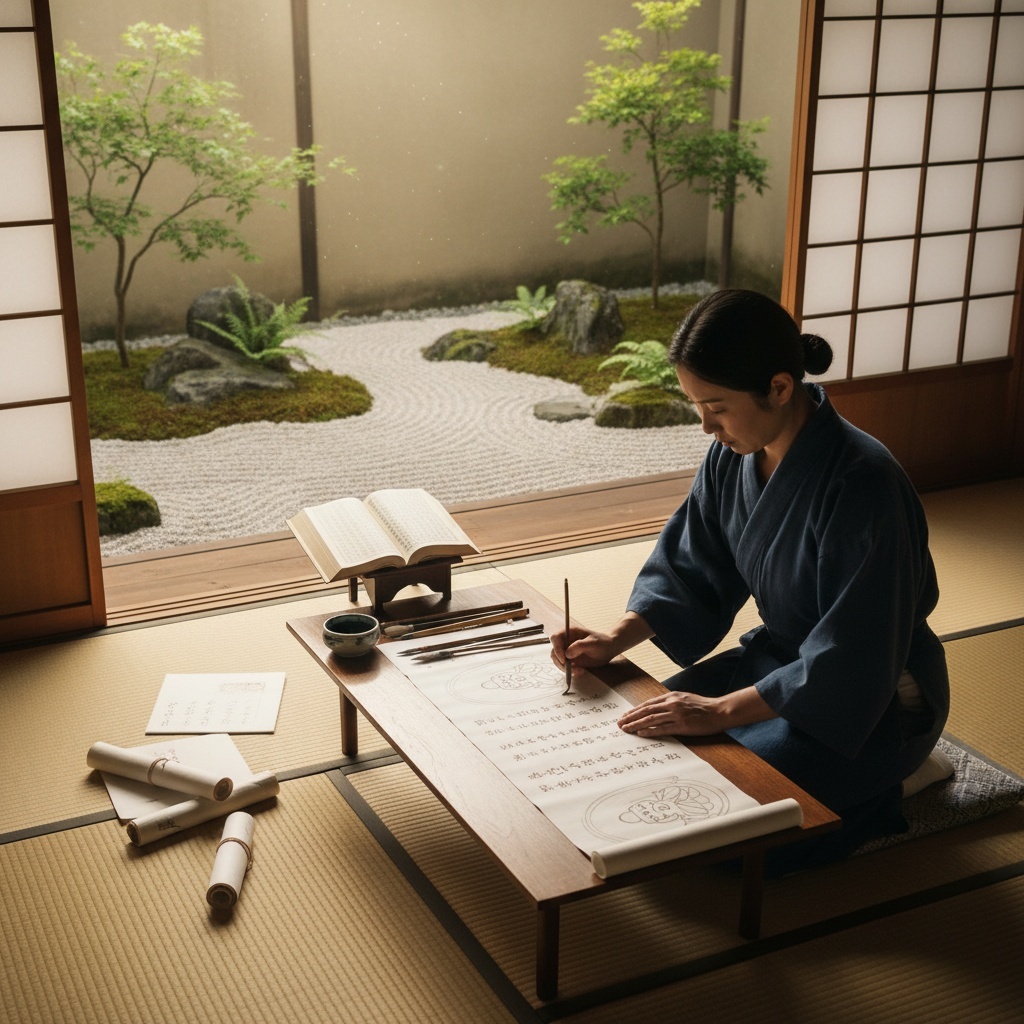
In the hushed sanctuary of a centuries-old Buddhist temple, the only sounds are the gentle scratch of brush against paper and the quiet rhythm of focused breathing. As I settle into the meditation posture, brush poised above pristine paper, I’m about to embark on a journey into two profound spiritual practices: shakyo (sutra copying) and shabutsu (Buddha image tracing). What begins as simple writing and drawing transforms into powerful meditation that calms the mind and nourishes the soul.
Sacred Arts of Devotion: Understanding Shakyo and Shabutsu
Shakyo, literally meaning “copying sutras,” involves meticulously transcribing Buddhist scriptures character by character onto thin paper. This practice, which began in China over 1,500 years ago and flourished in Japan since the 8th century, transforms the act of writing into complete spiritual discipline engaging body, mind, and spirit in unified practice.
Shabutsu, the art of tracing Buddhist images, offers a complementary path to spiritual development through visual meditation. Practitioners carefully trace pre-drawn figures of enlightened beings like Amida Buddha or Kannon (Goddess of Mercy), connecting with peaceful energy while developing concentration through repetitive, mindful movements.
Both practices embody the Buddhist principle that enlightenment can be achieved through mindful attention to simple, repetitive actions. The meditative power emerges from their demand for complete present-moment awareness, leaving no mental space for wandering thoughts or emotional disturbances.
The Temple Experience: Sacred Space and Spiritual Preparation
My experience began in a traditional temple hall, permeated by the subtle fragrance of incense and the accumulated spiritual energy of countless previous practitioners. The preparation process includes purification rituals that help transition from ordinary consciousness into spiritual awareness—washing hands at temple basins, offering incense at the main altar, and receiving instruction in proper posture and breathing.
The practice space supports deep concentration through careful attention to lighting, seating arrangements, and acoustic qualities. Traditional low tables accommodate comfortable cross-legged sitting, while proper brush angles and paper positioning ensure physical comfort during extended practice sessions. Temple masters provide individual guidance on posture, breathing, and mental approach that maximizes both spiritual benefit and physical comfort.
My Shakyo Journey: Meditation Through Sacred Text
Settling into position with brush, ink stone, and paper before me, I began copying the Heart Sutra (Hannya Shingyō)—a concise text containing Buddhism’s essential teachings about reality and enlightenment. The first few characters felt awkward, my hand unsteady as I focused on forming each stroke correctly.
But as I settled into the rhythm, something profound shifted. The outside world faded away as breath deepened and mental chatter quieted. Each character became a meditation, each completed line a prayer. The repetitive nature of copying familiar text created natural rhythm that slowed heart rate while promoting the relaxed alertness characteristic of deep meditation states.
The 262 characters of the Heart Sutra required approximately 90 minutes to copy mindfully, providing sustained meditation practice while creating tangible spiritual accomplishment. There’s something deeply satisfying about the physical act of creating sacred text, connecting directly with centuries of practitioners who engaged in identical spiritual work.
Shabutsu Practice: Connecting with Enlightened Energy
Transitioning to shabutsu, I began tracing the serene face of Kannon, the Goddess of Mercy. This practice offered different spiritual focus—less about specific textual meaning and more about connecting with peaceful, compassionate energy embodied in the image itself. Each line required careful attention, transforming the tracing action into silent prayer.
The graceful curves of Buddha figures provide focal points for contemplation while the tracing action creates meditative rhythm. Different Buddha images offer varying spiritual focuses: Amida Buddha emphasizes compassion and salvation, while Fudō Myōō works with transforming anger into wisdom. The choice often reflects current spiritual needs or guidance from temple teachers.
Physical and Mental Health Benefits
Modern neuroscience confirms what Buddhist practitioners have long understood: regular shakyo and shabutsu practice produces measurable improvements in mental and physical well-being. The sustained concentration required activates parasympathetic nervous system responses that reduce stress hormones, lower blood pressure, and improve immune function.
The fine motor control required for precise brush work stimulates neural pathways supporting cognitive function and may help prevent age-related mental decline. The combination of visual focus, hand-eye coordination, and breath regulation provides comprehensive brain training that enhances attention span, emotional regulation, and mental clarity.
Regular practice also develops patience, persistence, and acceptance of imperfection—psychological qualities that reduce suffering and increase life satisfaction. The tangible nature of completed sutras and Buddha images provides concrete evidence of spiritual progress supporting continued motivation.
Cultural Context and Spiritual Significance
Understanding the cultural and religious context deepens appreciation beyond mere stress-reduction techniques. In Buddhist tradition, copying sutras generates merit benefiting not only the practitioner but all sentient beings. Completed works are often dedicated to deceased relatives, world peace, or alleviating suffering, transforming personal spiritual practice into compassionate service.
The texts copied contain profound philosophical teachings that gradually penetrate consciousness through repetitive exposure. Even practitioners who don’t understand classical Chinese or Sanskrit report gaining intuitive insights into Buddhist concepts through sustained copying practice.
Tools and Traditional Techniques
Traditional shakyo and shabutsu employ specific tools enhancing the meditative experience. The brush (fude) requires proper grip and angle to create smooth, controlled strokes reflecting inner mental state. High-quality ink provides consistent flow while creating subtle variations making each character unique. Handmade paper (washi) responds to brush pressure with sensitivity teaching practitioners to regulate both physical tension and mental effort.
The copying technique itself becomes meditation instruction. Each stroke requires complete attention to pressure, speed, and direction while maintaining awareness of breath and posture. Mistakes are acknowledged without judgment, then covered with small paper patches becoming reminders of imperfection’s role in spiritual growth.
Finding Authentic Experiences
Authentic shakyo and shabutsu experiences are available at Buddhist temples throughout Japan, particularly in Kyoto, Nara, and Kamakura. Many temples offer programs specifically designed for international visitors with English-speaking guides who explain cultural significance and proper techniques.
Look for temples with dedicated practice halls that provide appropriate atmosphere and individual instruction. Sessions typically last 60-90 minutes, allowing sufficient time for meaningful practice while accommodating varying attention spans and physical comfort levels.
Official Image Recommendations:
- Person engaged in shakyo practice: Official temple websites (Kofuku-ji, Senso-ji), JNTO media library
- Traditional brush and ink setup: Wikimedia Commons (Category: Shakyo) with proper attribution
- Buddha image tracing in progress: Buddhist cultural center photography collections
- Serene temple meditation hall: Regional tourism board official photography
FAQ:
Q: Do I need to be Buddhist to participate?
A: No religious affiliation required—these practices benefit anyone seeking stress reduction and mental clarity through mindful activity.
Q: How long does a typical session last?
A: Most temple experiences offer 60-90 minute sessions, though some provide longer retreats for deeper practice.
Q: Can I take my completed work home?
A: Policies vary by temple—some allow participants to keep their work while others incorporate it into temple ceremonies or archives.
Leave a Reply