Top 5 Japanese Pottery Experiences International Travelers Love
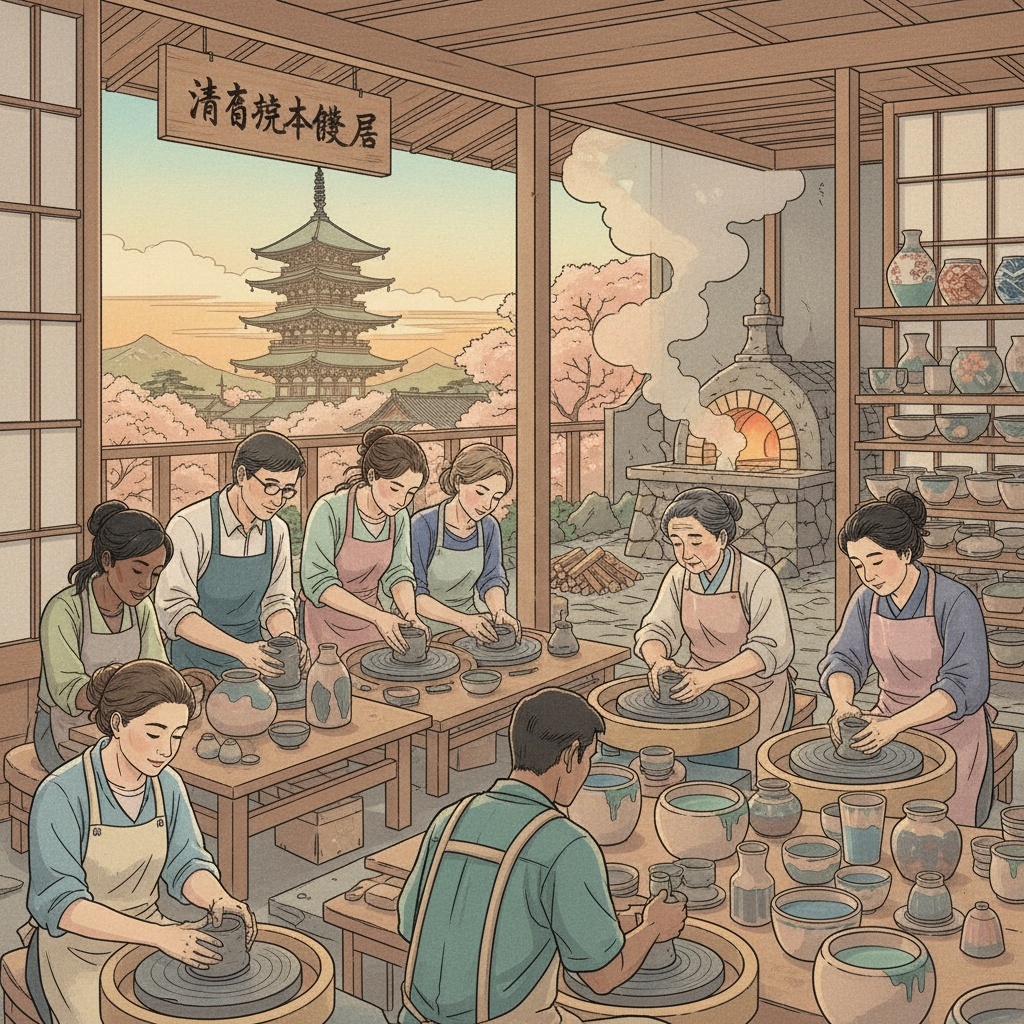
Clay between your fingers, the hypnotic rhythm of the potter’s wheel, and the ancient alchemy of fire transforming earth into art – Japanese pottery workshops offer visitors the perfect blend of hands-on creativity, cultural immersion, and tangible memories. From elegant porcelain to rustic stoneware, Japan’s diverse ceramic traditions provide unforgettable experiences that connect you directly to centuries-old craftsmanship.
1. Kyoto Kiyomizu-yaki: Elegance Near Sacred Grounds
In the shadow of the famous Kiyomizu Temple, pottery studios have operated for over 400 years, creating the refined ceramics known as Kiyomizu-yaki. These workshops offer international visitors the chance to work with clay shaped by generations of Kyoto artisans, learning techniques that once served the imperial court.
The experience typically begins with an introduction to local clay properties and the significance of Kyoto’s ceramic traditions. Students can choose between wheel throwing and hand-building techniques, creating tea bowls, sake cups, or decorative plates. The glazing process reveals Kiyomizu-yaki’s true magic – traditional color combinations and painting techniques transform simple clay forms into sophisticated ceramic art.
What makes this experience special for international visitors is the intimate studio atmosphere where master potters share techniques passed down through generations. The pieces are fired in traditional kilns, and arrangements can be made for international shipping, providing lasting memories of your Kyoto cultural journey.
2. Tokyo Urban Pottery Studios: Modern Accessibility
Even within Tokyo’s bustling metropolis, serene pottery studios offer creative escape and cultural connection. These workshops cater specifically to English-speaking visitors, providing accessible instruction without sacrificing authenticity. The urban setting allows easy integration into busy travel itineraries while offering genuine artistic experience.
Students can choose between electric wheel throwing and various hand-building techniques like slab construction or coil method. Many studios offer flexible scheduling and same-day experiences, perfect for travelers with limited time. The modern facilities often include multiple glaze options and efficient firing schedules, with pieces typically ready for pickup or shipping within a week.
The urban pottery experience appeals particularly to international visitors seeking authentic cultural activities within convenient city locations. Professional instruction in English, combined with traditional Japanese techniques, creates an ideal balance of accessibility and cultural depth.
3. Shigaraki Ware (Shiga Prefecture): Ancient Kiln Traditions
Shigaraki, one of Japan’s Six Ancient Kilns, offers visitors the chance to work with distinctive coarse clay that has been shaped by local artisans for over 1,200 years. Famous for its natural ash glazes and the iconic tanuki (raccoon dog) statues, Shigaraki pottery embodies the wabi-sabi aesthetic of finding beauty in imperfection.
The workshop experience emphasizes connection between potter and material. Students learn to feel clay moisture content, understand plasticity, and work with natural properties rather than forcing predetermined shapes. Master potters explain how different kiln positions affect final appearance, making each piece a collaboration between human intention and natural forces.
The rustic, earthy aesthetic of Shigaraki ware particularly appeals to international visitors seeking authentic Japanese experiences. The pottery’s natural colors and organic textures demonstrate principles that extend throughout Japanese culture, offering insights beyond ceramic technique into fundamental aesthetic philosophy.
4. Bizen Ware (Okayama Prefecture): Unglazed Natural Beauty
Bizen pottery represents one of Japan’s most distinctive ceramic traditions, using no glazes and relying entirely on natural ash deposits and flame patterns during extended high-temperature firing. This ancient technique, dating back over 1,000 years, creates pieces where no two emerge identical from the kiln.
The workshop process mirrors the meditative aspects of traditional Japanese arts. Students work slowly and mindfully, focusing on tactile clay experience rather than achieving perfect symmetry. The natural firing process means each piece develops unique characteristics based on kiln position, ash deposits, and flame patterns – making every creation truly one-of-a-kind.
International visitors often find Bizen philosophy deeply meaningful. The acceptance of natural variations, unexpected color development, and fire’s transformative power teaches valuable lessons about embracing uncertainty and finding beauty in uncontrolled outcomes.
5. Raku Pottery: Immediate Gratification and Dramatic Results
Raku pottery workshops offer international visitors the most immediate and often dramatic ceramic experience. Originating from tea ceremony traditions, Raku involves rapid firing at relatively low temperatures followed by quick cooling in combustible materials, creating unique crackle glazes and metallic effects.
The workshop process provides instant gratification rare in traditional pottery. Students can often complete pieces and witness the exciting firing and cooling process within a single session. The unpredictable nature of Raku firing creates anticipation and excitement as pieces emerge with unique, unrepeatable characteristics.
While traditional Raku involves complex steps, many workshops offer simplified versions where students glaze pre-fired pieces and witness the dramatic firing process. The combination of immediate results, spectacular visual effects, and deep cultural significance makes Raku particularly popular among international visitors seeking memorable experiences.
Practical Considerations for International Visitors:
When booking pottery experiences, confirm language support and international shipping options. Most reputable studios offer English instruction and can arrange secure international delivery. Wear comfortable clothes you don’t mind getting dirty, and keep fingernails short for wheel work. Firing and shipping typically take 3-8 weeks, so plan accordingly for receiving your finished pieces.
Official Image Recommendations:
- Potter’s wheel in action: Wikimedia Commons (Category: Pottery) or ceramics museum collections
- Traditional kiln firing: Regional tourism board photography archives
- Finished ceramic pieces: Japan Traditional Crafts Association media library
- Workshop participants: Cultural center official photography collections
FAQ:
Q: Do I need prior pottery experience?
A: No experience necessary – all workshops cater to beginners with patient, step-by-step instruction.
Q: Can children participate in pottery workshops?
A: Many studios welcome children for hand-building activities. Check specific age policies when booking.
Q: What happens if my piece cracks during firing?
A: Reputable studios typically offer replacement opportunities, though some variation is part of pottery’s natural charm.
Leave a Reply