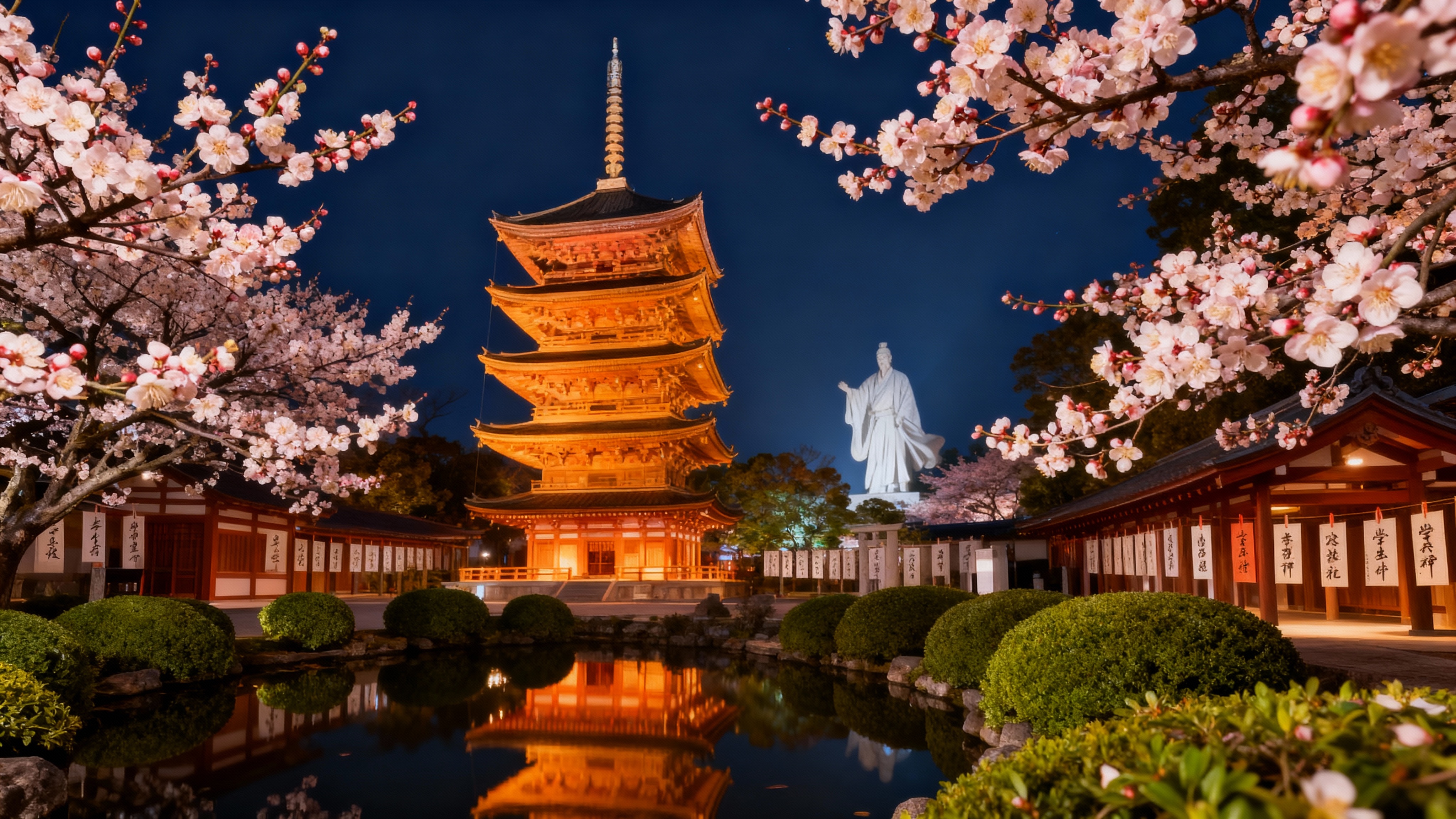
As November’s crisp air settles over Kyoto and darkness falls earlier each day, something magical begins to happen in the city’s most sacred spaces—ancient temples and gardens that have witnessed centuries of autumn’s glory suddenly blaze with artificial light, transforming familiar landscapes into ethereal theaters where fire-colored maples seem to glow from within against the infinite darkness of night. Autumn illuminations (紅葉ライトアップ) represent one of Kyoto’s most profound seasonal experiences, where the marriage of natural beauty and human artistry creates moments of transcendent beauty that linger in memory long after the last leaf has fallen.
Join me on an intimate journey through Kyoto’s illuminated autumn nights, where each temple reveals different aspects of seasonal beauty and where the simple act of walking beneath glowing maples becomes profound meditation on impermanence, beauty, and the extraordinary human capacity to celebrate nature’s fleeting gifts.
The Alchemy of Light and Leaf: Understanding Illumination Magic
Why Night Transforms Everything
Autumn illuminations create completely different aesthetic experiences from daytime viewing:
Color Intensification: Artificial lighting saturates maple colors, making reds appear more crimson, golds more luminous, creating jewel-like intensity impossible in natural daylight.
Dramatic Contrast: The stark darkness surrounding illuminated areas creates theatrical staging that focuses attention and heightens emotional impact.
Temporal Suspension: Night viewing removes temporal markers and external distractions, creating timeless moments perfect for contemplation and spiritual reflection.
Sensory Enhancement: Reduced visual field intensifies other senses—the rustle of leaves, distant temple bells, the scent of incense and damp earth become more prominent.
Five Illumination Pilgrimages: A Personal Journey Through Light and Beauty
Night 1: Eikando Zenrin-ji – The Crimson Cathedral
My Experience: Approaching through a tunnel of glowing maples, I entered what felt like nature’s cathedral. The famous Tahoto Pagoda glowed like a beacon on the hillside, its traditional architecture providing spiritual anchor for the surrounding natural spectacle.
What Made It Extraordinary:
- Mirror Pond Perfection: Ancient maples reflected in still water created perfect symmetry between reality and reflection, embodying Buddhist teachings about appearance and truth
- Layered Depth: Illumination revealed garden’s sophisticated design—foreground, middle distance, and background elements creating complex visual compositions
- Spiritual Atmosphere: Despite crowds, the overwhelming beauty created shared sense of awe and reverence among visitors
Technical Observations:
- Lighting Design: Warm LED lights enhanced natural colors without creating harsh shadows or artificial appearance
- Crowd Flow: Well-designed pathways managed large numbers while preserving contemplative atmosphere
- Photography Opportunities: Multiple vantage points allowed diverse compositions and artistic interpretations
Practical Details:
- Peak Season: Mid to late November
- Hours: 6:00-9:00 PM during illumination period
- Admission: ¥1,000 during illumination season
- Strategy: Arrive early (6:00 PM) or late (8:30 PM) to avoid peak crowds
Night 2: Kodai-ji Temple – Traditional Meets Contemporary
My Experience: Kodai-ji offered unique fusion of traditional Zen aesthetics with contemporary light art, creating dialogue between ancient wisdom and modern artistic expression.
Revolutionary Elements:
- Bamboo Grove Transformation: Green and purple lighting transformed bamboo forest into otherworldly pathway that felt both futuristic and timeless
- Projection Mapping: Historical narratives told through light projections on temple buildings, bringing Toyotomi Hideyoshi and Nene’s story to vivid life
- Traditional Garden Enhancement: Subtle lighting revealed rock garden patterns while maintaining essential Zen character
Cultural Integration:
- Respectful Innovation: Modern technology enhanced rather than overwhelmed traditional spiritual atmosphere
- Educational Value: Light projections provided historical context while maintaining artistic beauty
- Contemplative Spaces: Despite technological elements, quiet areas preserved opportunities for meditation and reflection
Practical Details:
- Season: Mid-November to early December
- Hours: 5:30-9:30 PM during illumination period
- Admission: ¥600 regular admission
- Special Features: Combination tickets available with nearby Yasaka Shrine and Maruyama Park
Night 3: Kiyomizu-dera – The Blue Beam of Compassion
My Experience: The iconic blue light beam piercing the night sky from Kiyomizu-dera created one of Kyoto’s most powerful spiritual-visual experiences, connecting earthly beauty with celestial symbolism.
Symbolic Power:
- Kannon’s Light: The blue beam represents Kannon Bodhisattva’s infinite compassion reaching toward heaven, transforming architectural lighting into spiritual teaching
- Stage Drama: The famous wooden stage, surrounded by illuminated maples, created perfect synthesis of human achievement and natural beauty
- City Connection: Views from the stage revealed illuminated Kyoto spreading below, demonstrating the temple’s protective relationship with the community
Photographic Opportunities:
- Iconic Compositions: The blue beam with surrounding autumn colors creates Kyoto’s most recognizable illumination image
- Multiple Perspectives: Various viewing points allow different compositional approaches and artistic interpretations
- Technical Challenges: Balancing bright illumination with darker surrounding areas requires careful exposure control
Practical Details:
- Season: Mid-November to early December
- Hours: 6:00-9:00 PM during illumination period
- Admission: ¥400 during illumination season
- Access: Multiple bus routes; expect crowded conditions and plan extra travel time
Night 4: Tenju-an (Nanzen-ji Sub-temple) – Intimate Zen Perfection
My Experience: This smaller venue provided the most intimate and contemplative illumination experience, where careful lighting revealed the subtle beauty of Zen garden design.
Zen Aesthetics Enhanced:
- Minimal Lighting: Restrained illumination that enhanced rather than overwhelmed the garden’s essential character
- Stone and Water: Careful lighting of stone arrangements and water features revealed design principles often invisible during daylight
- Moss Garden Magic: Subtle lighting made emerald moss carpets glow with ethereal beauty while maintaining natural appearance
Contemplative Advantages:
- Smaller Crowds: Limited capacity ensured more peaceful experience and opportunity for extended observation
- Multiple Gardens: Several distinct garden areas provided varied illumination experiences within single visit
- Meditative Atmosphere: Quiet setting supported genuine contemplation and spiritual reflection
Practical Details:
- Season: November illumination period (check specific dates)
- Hours: 5:30-9:00 PM during illumination season
- Admission: ¥500
- Strategy: Combine with Nanzen-ji main temple for comprehensive evening experience
Night 5: Shoren-in Temple – Noble Elegance Under Stars
My Experience: Former imperial residence provided sophisticated illumination experience combining aristocratic aesthetics with natural beauty.
Imperial Refinement:
- Elegant Proportions: Traditional palace architecture created perfect framework for illuminated garden elements
- Camphor Tree Majesty: Massive ancient camphor trees became focal points for dramatic lighting effects
- Pond Reflections: Multiple water features doubled illumination impact through perfect reflections
Cultural Sophistication:
- Historical Context: Imperial residence atmosphere enhanced appreciation of traditional Japanese aesthetic principles
- Artistic Integration: Illumination design respected historical character while creating contemporary visual impact
- Educational Value: Signage and cultural context helped visitors understand historical and spiritual significance
Practical Details:
- Season: Autumn illumination period varies yearly
- Hours: 6:00-10:00 PM during illumination season
- Admission: ¥800 during illumination period
- Access: Subway Tozai Line to Higashiyama Station, 7-minute walk
Photography and Cultural Documentation
Technical Strategies for Illumination Photography
Camera Settings and Techniques:
- Manual Exposure: Start with 1/15-1/30 second, f/2.8-f/4, ISO 800-1600
- White Balance: 3000-3500K to manage warm LED lighting and maintain natural color balance
- Focus Strategy: Use single-point autofocus on illuminated elements; manual focus for challenging conditions
- Composition: Include foreground, middle ground, and background elements for depth and visual interest
Respectful Photography Practices:
- Tripod Etiquette: Use compact tripods; be mindful of pathways and other visitors
- Flash Prohibition: Never use flash; it disrupts atmosphere and produces poor results
- Cultural Sensitivity: Focus on landscape and architectural elements rather than photographing other visitors
- Sharing Responsibility: Post images that promote cultural understanding and respect rather than mere spectacle
Planning Your Illuminated Pilgrimage
Seasonal Timing and Weather Considerations
Optimal Viewing Period:
- Peak Colors: Mid-November to early December (varies yearly by temperature and rainfall)
- Weather Dependency: Clear evenings provide best visibility; light rain can enhance colors but affects comfort
- Weekday Advantage: Tuesday-Thursday evenings offer better crowd conditions while maintaining full illumination impact
Strategic Itinerary Planning
Multi-Night Strategy:
- Night 1: Major venues (Eikando, Kiyomizu-dera) for iconic experiences
- Night 2: Intimate venues (Tenju-an, Kodai-ji) for contemplative experiences
- Night 3: Combination visits and areas with multiple illuminated sites
- Weather Backup: Indoor cultural activities for poor weather nights
Budget Planning:
- Admission Fees: ¥500-¥1,000 per illuminated temple
- Transportation: ¥800-¥1,500 per evening for multiple locations
- Food and Drinks: ¥2,000-¥4,000 for warming meals and traditional sweets
- Total Evening Budget: ¥4,000-¥7,000 per person per night
Frequently Asked Questions
Q: Do illuminations occur every night during autumn season? A: Most illuminations run continuously during their designated periods (usually mid-November to early December), but check specific temple websites for exact dates and any weather-related closures.
Q: Can I visit multiple illuminated temples in one evening? A: Yes, many temples are within walking distance or short transportation rides. However, allow adequate time at each location for meaningful appreciation rather than rushing.
Q: Are illuminations suitable for photography beginners? A: Yes, though challenging lighting conditions require patience and experimentation. Many modern cameras have excellent automatic modes for low-light conditions.
Q: What should I wear for evening illumination visits? A: Dress warmly in layers as November evenings can be quite cold. Comfortable walking shoes are essential, and consider bringing gloves for camera operation.
Q: Do illuminations continue if it rains? A: Most illuminations continue during light rain, which can actually enhance colors and create atmospheric effects. Heavy rain may cause temporary suspensions for safety reasons.
Planning Your Illuminated Autumn Journey:
- Duration: 3-5 nights during peak illumination season for comprehensive experience
- Weather Monitoring: Check forecasts and be flexible with specific night choices
- Cultural Preparation: Research temple histories and illumination themes for enhanced appreciation
- Technical Readiness: Prepare camera equipment and learn basic night photography techniques
- Contemplative Approach: Balance documentation with present-moment experience and spiritual reflection
Continue Your Autumn Exploration: Ready to discover hidden local secrets? Explore “Whispers of Autumn: Local’s Secret Guide to Kyoto’s Hidden Maple Sanctuaries” or learn about “Winter’s Silent Canvas: Snow-Covered Temple Rankings.”
Leave a Reply